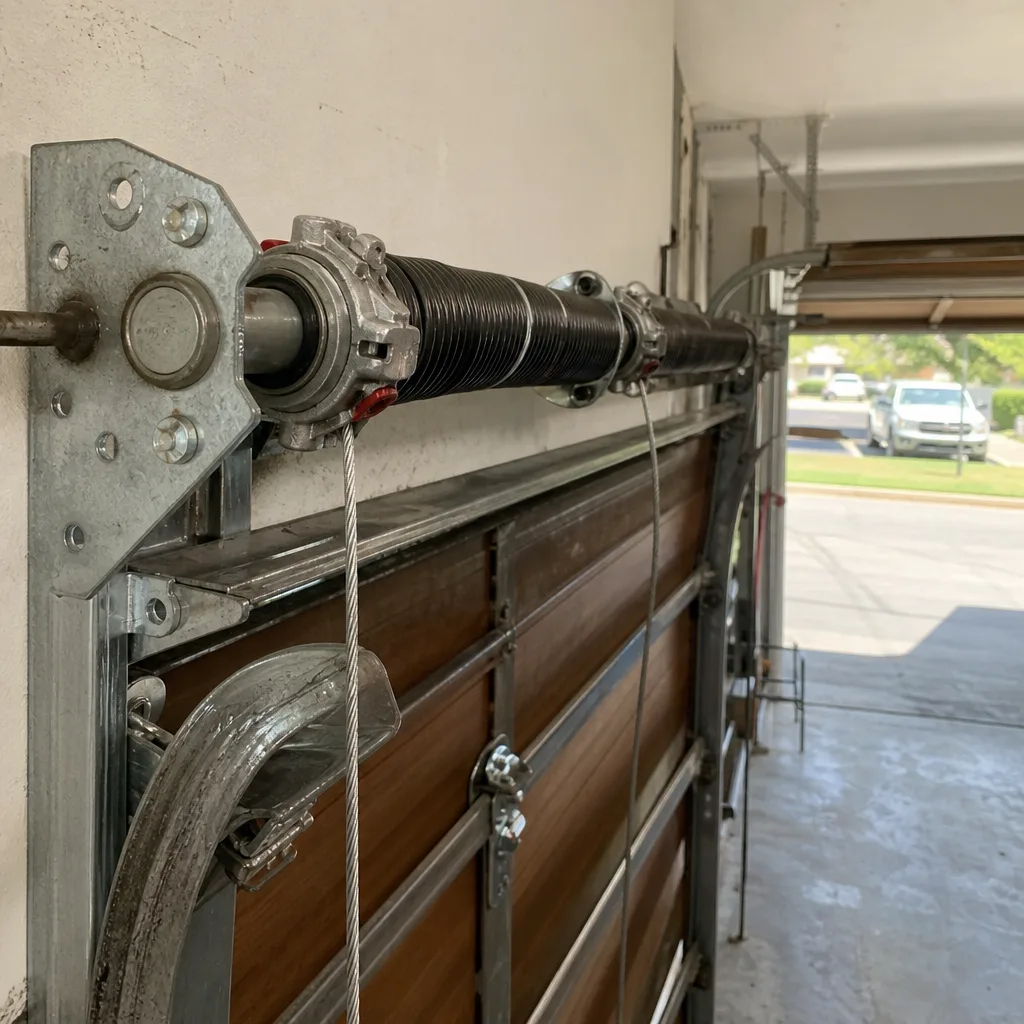
Last updated November 23, 2026
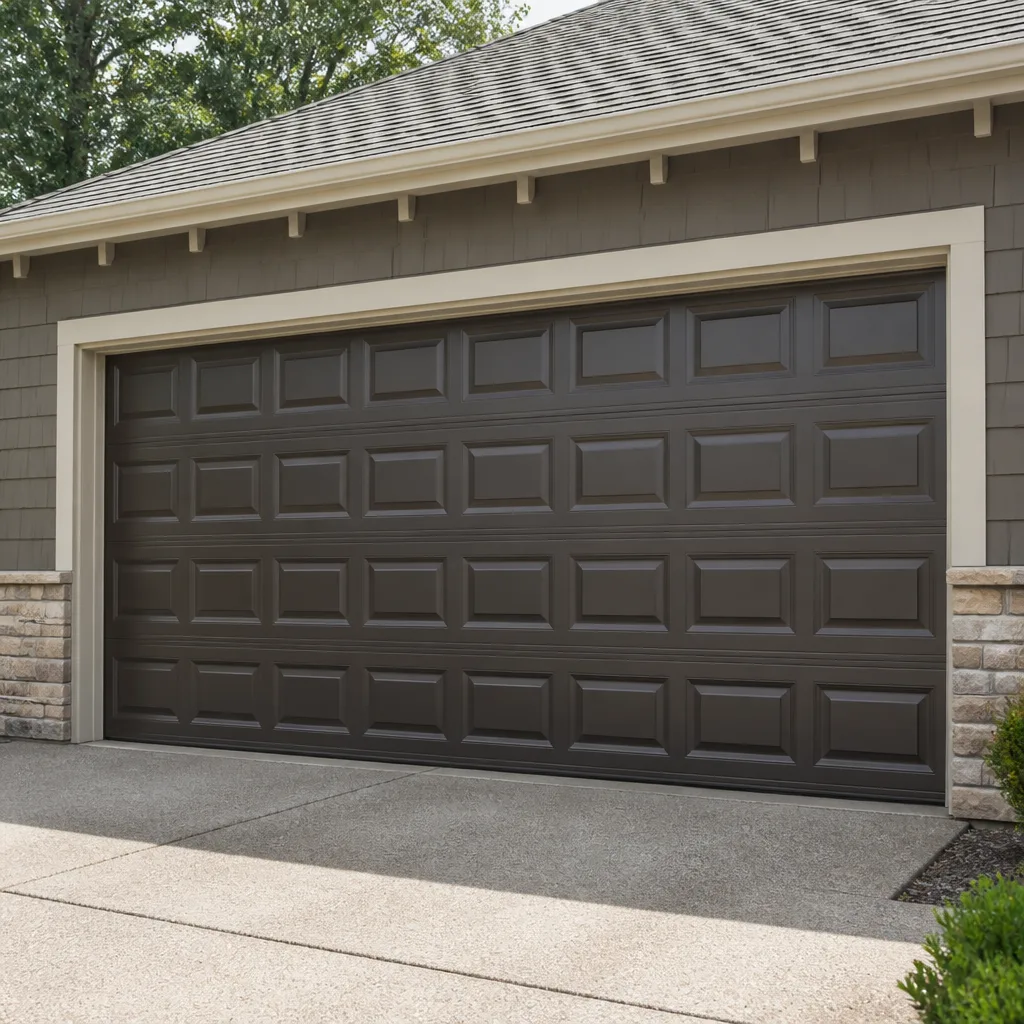 Raised-panel steel
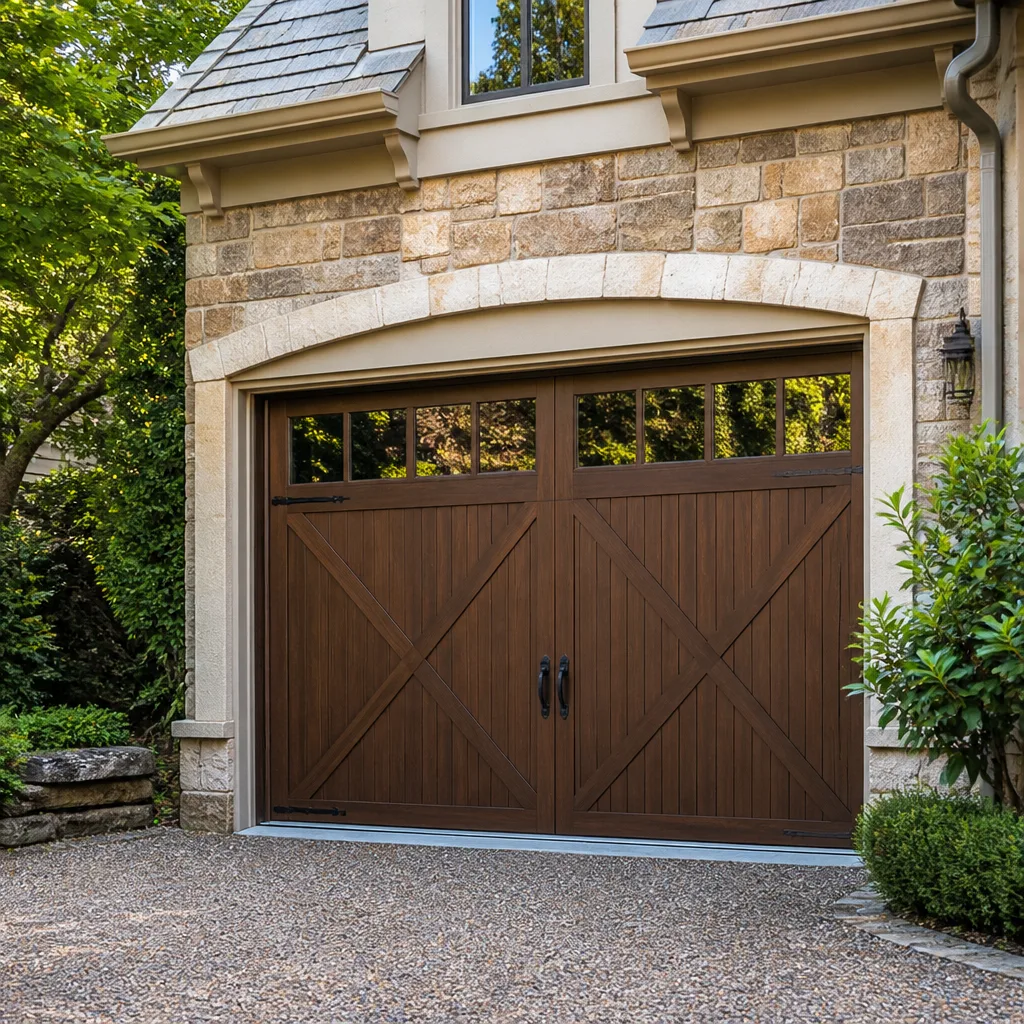 Carriage house
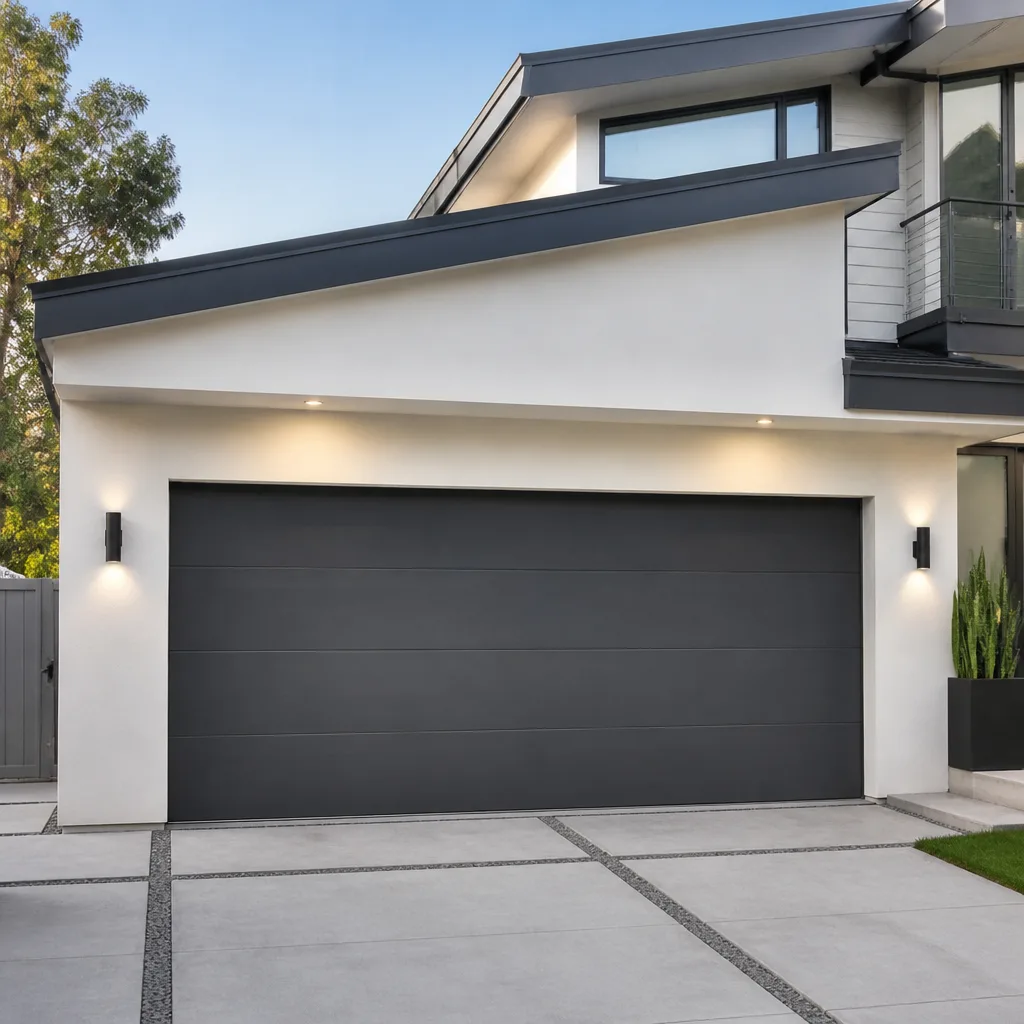 Modern flush
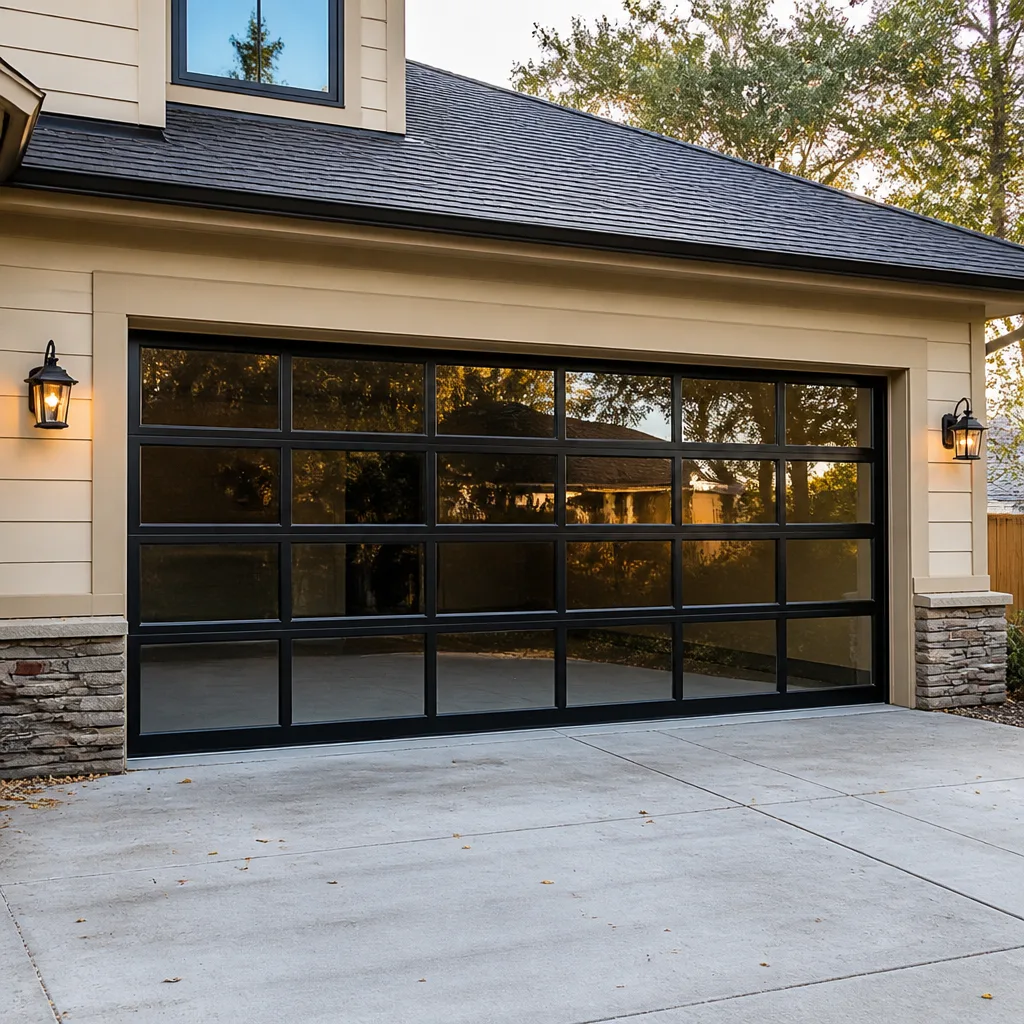 Full-view glass
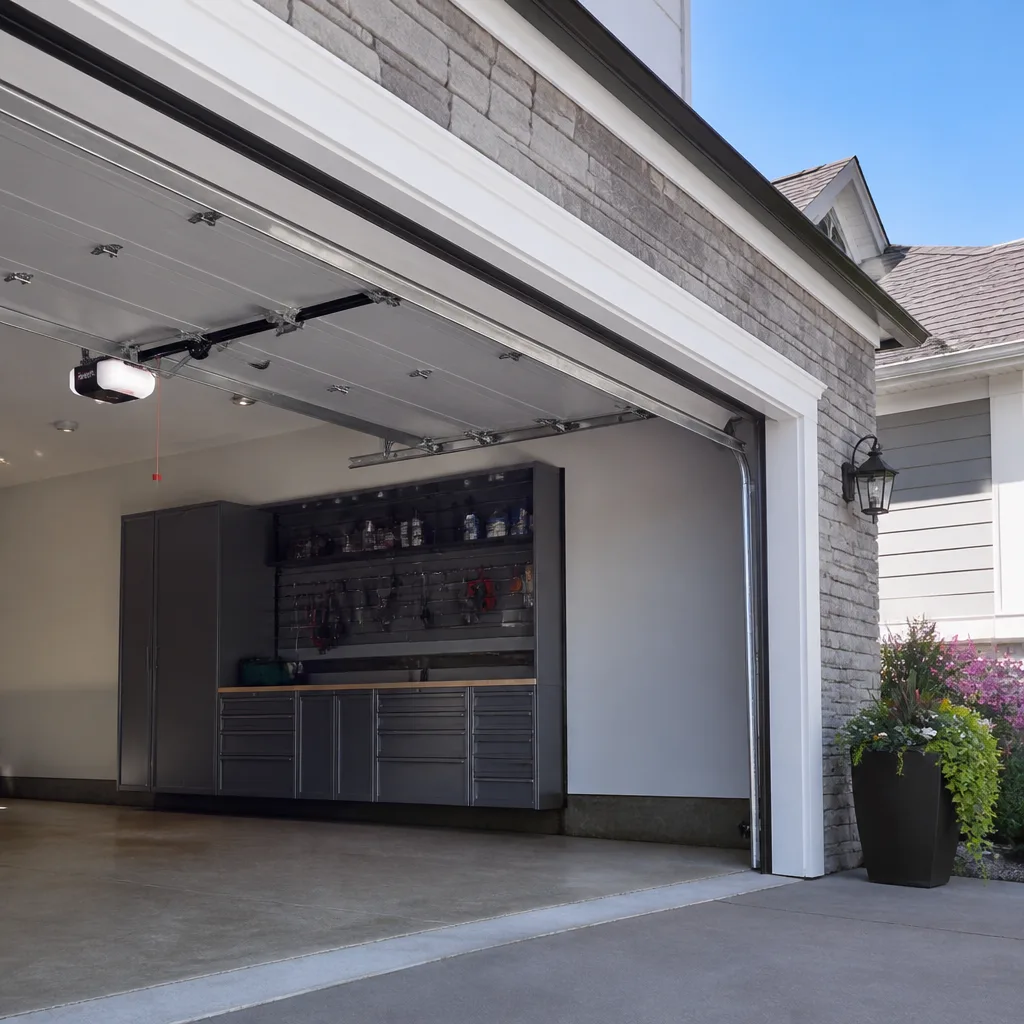 LiftMaster openers
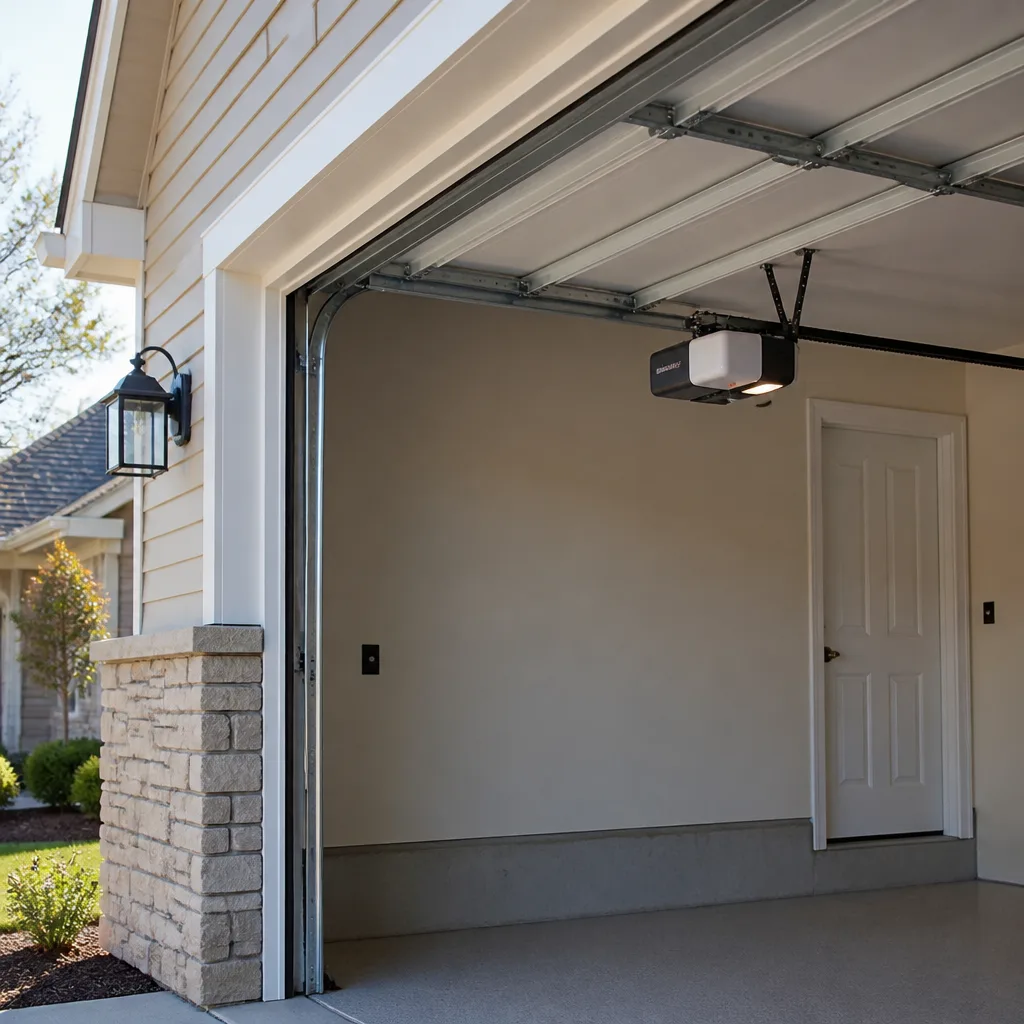 Chamberlain openers
Full 25-point door and opener safety check with every visit - springs, cables, rollers, tracks, and your LiftMaster or Chamberlain opener included
You get a price before we start. It does not change when the pro arrives.
Get your free estimateGarage Door Repair Troubleshooting in Sun City Center: Common Problems and How to Fix Them
A garage door that reverses before it closes usually isn’t broken. Nine times out of ten, its safety sensors are misaligned, knocked out of line by a cobweb, a weed trimmer, or a Florida afternoon thunderstorm rattling the track just enough to nudge one sensor a hair off target. Knowing that saves you a service call. But here’s the trap: the same visible symptom can point to completely different failed parts depending on what kind of spring system your door uses. This guide teaches you to read your door’s behavior as a diagnostic language. You’ll learn what each symptom actually means, which checks are safe to run yourself, and which ones you should never touch. Most Sun City Center homeowners chase the symptom. This guide traces it to the component.
Quick Answer
In Sun City Center, most garage door problems fall into eight categories: sensor misalignment, track binding, spring failure, opener gear or logic failure, roller and hinge wear, cable damage, panel or seal damage, and travel limit drift. About half are safe for you to check yourself before calling. The other half, especially anything involving torsion or extension springs, cables, or the opener’s internal wiring, should go straight to a trained technician because the forces involved can maim. Matching the symptom to the right component is the whole game, and that’s what this guide helps you do.
Styles & brands we work with
- Raised-panel steel
- Carriage house
- Modern flush
- Full-view glass
- LiftMaster openers
- Chamberlain openers
Table of Contents
- The Symptom-to-Component Map
- Florida Factors That Skew Sun City Center Diagnoses
- Safe DIY Checkpoints Before You Call
- Why Spring Type Changes Everything
- Reading Opener Faults Across Brands
- How to Describe the Problem Over the Phone
- The Five Repairs That Require a Technician
- What Repairs Typically Run and How Soon They Get Done
The Symptom-to-Component Map
Here’s the single most useful troubleshooting tool we can give you: a map that connects what your door is doing to what’s actually failing. Most people fix this backwards. They hear grinding and assume the opener is dying, when grinding usually comes from the rollers or the track, not the motor. They see the door sag on one side and call about a leveled track, when the real culprit is a stretched or broken cable. Reading the symptom correctly is what makes the difference between a right diagnosis and a wasted appointment.
Use this map as your starting point.
- Door reverses before closing. Safety sensors misaligned, blocked, or failed. Occasionally the logic board in the opener. Almost never the spring.
- Grinding or scraping during travel. Worn steel rollers, bent track, or dry hinges. Could also be a foreign object in the track. Rarely the opener.
- Door sags on one side. A stretched, frayed, or broken cable on that side. On an extension-spring door, could be one spring stretched out while the other is still under tension.
- Opener hums but nothing moves. Motor runs, the drive mechanism has failed. Could be a stripped gear, a broken belt, or a snapped chain coupling. Has nothing to do with the springs.
- Door feels heavy when you lift it manually. Spring tension has dropped or a spring has snapped. Do not keep lifting. That’s a signal to stop and call.
- Door won’t open at all, opener dead. Electrical, logic board, wall control wiring, or a photo-eye circuit forcing the controller to hold the door closed.
- Door slams rather than easing down. Travel limits have drifted, or the springs have lost so much tension they no longer counterbalance.
- Loud bang from the garage, door won’t lift afterward. Very likely a torsion spring snapped. That’s the classic sound. Stop using the door.
If you’re in Sun City Center and you can match your symptom to one of those lines, you already know more than most homeowners do when they call. That’s worth something because it means we can send the right parts and the right technician on the first visit rather than scheduling a diagnostic and then a separate repair. For a deeper look at how these repairs are handled, our garage door repair page covers the service arc from simple adjustment to parts replacement.
Florida Factors That Skew Sun City Center Diagnoses
Sun City Center sits in a subtropical climate where humidity stays high most of the year and summer heat is heavy enough to matter for the materials your door is made from. That combination changes what fails and how fast. It also changes which false symptoms you’ll see. Two doors of the same make and model can behave differently in Sun City Center than they would in a drier part of the country, and the difference usually isn’t the door itself. It’s what the environment is doing to the tracks, panels, and seals around it.
Here’s what we see most often in this climate.
- Humidity warps and rusts tracks. Steel tracks absorb moisture from the air. Over months and years, the roller channels can develop surface rust that builds friction and makes the door drag. Doors in garages without ventilation show this sooner. A door that runs fine in the cool of morning but hesitates by mid-afternoon is often showing track friction, not an opener problem.
- Heat expansion moves steel panels. Steel and aluminum panels grow slightly as they warm. In an attached garage that bakes all afternoon, panel joints can tighten up and rub. If the door runs quietly in cooler weather and grinds in July, heat expansion is a real suspect.
- UV degradation of weather seals. The rubber seal at the bottom of the door and the vinyl weatherstripping around the frame take ultraviolet light all year. They dry, crack, and shrink. A door that leaves a visible gap at the bottom after a few summers often has worn weather seal rather than a travel limit problem. Replacing the seal is a low-cost fix, and we walk through it in more detail on our Sun City Center Garage Door Repair overview.
- Lightning and surge activity. Florida’s thunderstorm season brings power surges that can knock out opener logic boards. A dead opener after a storm is often a board failure, not a mechanical one.
- Insects and debris in the sensor path. Spiders build webs across the photo-eye lenses. Small debris settles in the sensor path after a storm. The opener reads that as an obstruction and reverses the door. Not a fault. Just dirt.
When you’re troubleshooting a problem in Sun City Center, factor the season in before you assume a mechanical failure. Sometimes the door is behaving exactly as it should and the environment around it has shifted.
Safe DIY Checkpoints Before You Call
Not every problem needs a technician. Some of the most common complaints have simple answers that take less time to check than it takes to place a call. Here are the checks that are safe to run yourself. If any of these clears the symptom after you get to the last step, then it wasn’t really a garage door problem. It was alignment or dirt.
1. Check the safety sensors first. Look at the two small lenses mounted near the floor on each side of the door opening. Each should have a steady light (usually green or orange, depending on brand). If one is blinking or dark, the beam is broken. Wipe both lenses with a soft cloth. Check that nothing (a broom handle, a garden hose, a bag of potting soil) is sitting in the beam path. Look for a cobweb strung between them. Gently adjust the bracket if a sensor is aimed visibly off target. Most sensor misalignments come from small physical nudges, not electrical failure, and a five-minute check catches the majority of them.
2. Try the manual release. Every door has a red pull handle on a cord hanging from the trolley. Pull it to disconnect the door from the opener. Now lift the door by hand. A properly balanced door should rise with modest effort and stay up on its own when you let go at the halfway point. If it feels heavy, drops on its own, or won’t stay open, the issue is in the door’s balance (usually the springs or cables), and you should not use the opener until it’s fixed. If it lifts easily and stays where you leave it, the problem is in the opener, and that’s an entirely different diagnosis. Re-engage the trolley by pulling the door up until it clicks back onto the carrier.
3. Look at the travel limits and force settings. On most modern openers there are adjustment controls on the motor head for travel distance (how far the door opens and closes) and force (how hard the opener pushes). If the door stops just short of the floor, or reverses before reaching the floor, the limit setting may have drifted. Adjusting the limit by a small amount is usually safe on an opener with clear labeled controls. Force adjustments should be made with far more caution. If a door needs high force to close, the door’s mechanics need to be inspected, not the force setting raised. Raising force to compensate for a dragging door just masks the real problem and stresses the motor.
4. Listen for where the noise is coming from. Put a hand on the garage wall while the door runs and listen carefully. Grinding at the top of the door travel is usually the springs or the top bracket. Grinding along the side rails is typically the rollers or tracks. Grinding or clicking at the opener head is usually a gear or a drive belt. Pinpointing where the sound originates narrows the diagnosis in a single pass.
Do these four checks. If the door still won’t behave, you’re very likely dealing with something a technician needs to see. Those checks are the safe range. What comes next in this guide is the range that isn’t.
Why Spring Type Changes Everything
Garage doors have two spring systems, and the same visible symptom on each points in a completely different direction. If you don’t know which system you have, look at the mounting. A torsion spring is a horizontal coil mounted on a metal shaft above the door, running parallel to the header. An extension spring is a stretched coil running parallel to the track on each side of the door. Some older doors have two extension springs, one per side. Newer doors almost always use one or two torsion springs.
Why does the distinction matter for troubleshooting? Because these systems fail in different ways.
On a torsion-spring door:
- A snapped torsion spring is usually obvious. You’ll hear the bang and see the two clean halves of the coil. But a torsion spring that has simply lost tension still looks whole. The door just gets heavier and heavier over time, and the opener works harder until it fails.
- A door that lifts unevenly or sags on one side on a torsion system is usually a sign that one spring has lost tension while the other hasn’t. That’s a matched-pair issue, and putting one new spring next to an old one loads the new spring harder than the old one.
- If the door reverses at random before closing on a torsion-spring system, the cause is nearly always sensors or the safety edge, not the springs. The springs affect weight, not travel logic.
On an extension-spring door:
- Extension springs are the ones that can stretch with age rather than break. When one stretches and the other doesn’t, the door develops a side-to-side sag, and the cables on the stretched side carry extra load. That’s often the actual root cause of a sagging door, not a track issue.
- Extension springs are also the ones most likely to be missing their safety containment cables. If you see two bare springs and no steel cable threaded through the middle of each one, that’s a genuine safety concern. Don’t run the door until a technician has looked at it.
- Broken extension springs sometimes fly loose and can hit anything nearby. That’s why containment cables exist. A door with a broken extension spring and no containment cables is not safe to use.
The practical takeaway: if you’re troubleshooting on a torsion door, look first at the sensors and the balance. If you’re troubleshooting on an extension door, look first at the springs and cables. For a deeper walkthrough on how this repairs, see garage door spring repair. And a word of caution, one that applies to both systems: spring work is the most dangerous repair in the home. Torsion springs hold enormous stored energy. Do not attempt to release, adjust, or replace one yourself. The right move is a trained technician with the right winding bars, tools, and knowledge of the specific door.
Reading Opener Faults Across Brands
An opener is a small electric motor with a logic board, a drive mechanism, and a handful of sensors. When something goes wrong inside it, the symptom usually tells you which subsystem failed. But different brands reveal their faults differently. A LiftMaster or Chamberlain unit running on a modern MyQ-compatible board will usually flash a specific LED error code when it hits a fault, while a Genie or Craftsman legacy opener might simply stop and refuse to move with no light pattern at all. Knowing your brand and its behavior is half the diagnosis.
Here’s what we look for across the major brands we work on.
- LiftMaster and Chamberlain. These share a lot of internal architecture. The most common faults we see are stripped drive gears (symptom: motor hums, door doesn’t move), force sensor drift (symptom: door reverses at random on the closing cycle), and wall control wiring issues (symptom: door operates from the wall but not from the remote, or vice versa). Error code flashes on the motor head usually point to the specific fault once you decode the pattern.
- Genie. The chain and belt drives are reliable, but the internal coupler and the logic board are the two most common failure points. A door that won’t move after a power surge is often a Genie board issue. A door that stalls at the same spot every cycle is often a Genie travel limit problem.
- Craftsman. Older Craftsman openers (many still in service across Sun City Center) use a drive gear that eventually wears through. Once it fails, the opener runs but doesn’t pull the door. That reads like a spring problem to most people. The giveaway is that the opener motor runs and the door stays put while the chain or belt slack shows visible wear at the head.
- Raynor. Raynor openers appear on some of the Raynor door installs in the area. They’re usually paired with Raynor doors and share a fairly standard control architecture. Board and sensor issues are the faults we see most often.
Whatever the brand, we diagnose by system knowledge rather than by guesswork. That’s the practical difference between a garage door specialist and a general handyman. A single-trade focus means we carry the diagnostic knowledge for each brand’s common failure patterns and arrive to a job knowing what to test rather than starting from scratch. For a fuller picture of what gets repaired and what gets replaced, our garage door opener repair page covers the opener side in detail.
One critical safety point: the opener’s logic board and the internal wiring run on mains voltage. If you’ve checked the manual release and the door still behaves oddly, do not open the opener casing to look at the board. The risk of shock is real, and the small cost of a service call is always cheaper than an emergency room visit. The opener is a technician’s job once you get past the travel limit and force controls.
How to Describe the Problem Over the Phone
The quality of the phone call determines how fast the repair gets done. If we know what the door is doing, we know what parts to bring and what to test first. If we don’t, we bring a rolling kit and test on site. Here’s the script that gets the fastest, most accurate diagnosis. Write the answers down before you call. Or at least sort them out in your head. Two minutes of prep shortens the visit.
- Name the brand. Look at the opener motor head for a brand label. LiftMaster, Chamberlain, Genie, Craftsman, and Raynor labels are usually right on the housing. Also look for a model number. If you can find it, that’s the second-fastest way to get the right parts.
- Describe the symptom, not the suspected cause. “The door reverses halfway down” is more useful than “the sensors are broken.” Sensors are the most common cause, but there are others. Tell us what the door does. Let us match it.
- Say whether the door is currently stuck. Stuck open is very different from stuck closed. Stuck closed means the car is trapped inside. Stuck open means a security issue. Both affect how we prioritize the call.
- Tell us the door’s spring type. Torsion or extension. It’s the first thing we’d check on arrival, and knowing in advance shapes the visit.
- Note the door material and size. Steel, aluminum, or wood panels. Single or double door. Some doors weigh twice what others do at the same width, which changes the spring and opener requirements.
- Mention anything that changed. A power surge, a thunderstorm, a hard wind, someone backing into the door, a home repair nearby that could have disturbed the track. Any environmental event in the last few days is worth mentioning. It often cuts diagnosis time in half.
- Ask whether the technician can bring the likely part. If you’ve described a humming opener that doesn’t move, and we know the brand, we can load a replacement drive gear or belt. If you’ve described a reversing door with a specific sensor history, we may be able to confirm the sensor model before the visit. The right phone call saves a second trip.
If you’re in Sun City Center and the door is stuck, mention it on the call. We treat doors that won’t open or won’t close differently from a routine adjustment. Emergency calls for doors that won’t close before nightfall, or doors that won’t open with a car trapped inside, are handled with priority because they affect security and access rather than just convenience.
The Five Repairs That Require a Technician
There’s a line between what a homeowner should investigate and what should be handed to a trained technician. That line isn’t about difficulty. It’s about safety. These five repairs involve stored energy, high voltage, or forces that can cause serious injury if a single component lets go at the wrong moment. We’ve drawn this list carefully because getting it wrong can hurt you.
- Spring replacement and adjustment. This applies to both torsion and extension springs. A torsion spring under normal tension holds dozens of times the force needed to lift the door, and it has to be released in a very specific way with the right tools. Without the correct winding bars and the knowledge of how many turns a given door’s spring requires, releasing tension by hand risks the spring spinning loose. Extensions springs carry less energy but still enough to break a bone if one snaps while you’re near it. Leave both to a technician.
- Cable replacement. The cables on a garage door carry the full tension the springs apply to them. A cable under load that fails without warning is a very real injury risk. Cables also have to be tightened to a specific balance, and getting the tension wrong on one side causes the door to bind on the other. When a cable frays or breaks, do not operate the door until a technician replaces it.
- Control board and wiring work inside the opener. Mains voltage, capacitors that hold charge after power is off, and small electronics that can fail short. A technician has the tools to test the board safely. A homeowner does not.
- Track straightening after impact. If the door was hit or the track was bent, the repair involves realigning the track to spec and confirming that all brackets are still anchored to framing correctly. Doing this by eye with a hammer and a pry bar often looks fine and then fails weeks later because a bracket wasn’t anchored properly. There’s also a genuine risk of the door coming off the track during adjustment.
- Roller replacement on a door that’s still under tension. If the door is closed with the springs under tension, replacing hinges or rollers improperly can cause a panel to drop or the door to lurch. A technician will typically brace the door and release tension before making the swap. The five-minute job is five minutes only when done correctly.
The safe rule of thumb: if the repair involves the springs, the cables, the wiring inside the opener, the mechanical straightening of the track after damage, or lifting a door panel while the springs are still loaded, call a technician. Anything on the sensor, alignment, travel limit, or manual release list from earlier in this guide you can check yourself.
What Repairs Typically Run and How Soon They Get Done
Most garage door repair estimates in the Sun City Center market fall into a few common ranges, and they’re set per job after a technician has looked at the door. Here’s the rough shape of what those ranges look like as a starting reference, priced as estimates. The written estimate you get on site sets the final price, and the price is agreed before any work begins.
- Safety sensor alignment or replacement: low-cost, often one of the smallest line items on a repair visit.
- Roller and hinge replacement (per door): moderate. A full set of rollers and hinges is more than one or two, but still a manageable line item.
- Track straightening or re-alignment: moderate, varies with how much of the track needs work.
- Opener gear, belt, or board replacement: moderate to higher, depends on opener brand and part availability. LiftMaster and Chamberlain parts are widely stocked; some legacy Genie or Craftsman internals may need a couple of days if the exact part isn’t in stock.
- Single torsion spring replacement: priced per spring. A matched pair is usually replaced together because running one new spring next to an old one loads the new spring harder and shortens its life. A pair costs roughly twice a single spring.
- Single extension spring replacement: similar pattern. Priced per spring, and pairs are usually replaced together for the same reason.
- Cable replacement: priced per cable and depends on access and door type.
- Weather seal and bottom seal replacement: low-cost, and usually part of a larger repair visit when it’s needed.
Pricing in Sun City Center is set per job because the doors here vary so widely. Single-car doors on tract homes, double-car doors on larger properties, older Raynor and Clopay units still in service, newer installed doors with smart openers – each one carries a different parts cost and labor estimate.
Timing. Routine repairs (sensor alignment, roller replacement, travel limit adjustment, weather seal replacement) are typically scheduled within a few days of the call. Emergency situations – a door that won’t close, a door that won’t open with a car trapped inside, a snapped spring – are handled as priority calls. Emergency garage door service is a stated part of what we do, and we don’t reserve it for regular business hours. If the door fails on a Sunday, call; we’ll book it. If the door fails late in the day on a weekday, call; we’ll see what timing works.
What changes the estimate. Three things: parts availability for the specific brand and model, whether the door is safe to operate while the repair is being scheduled, and whether the fix is one component or a matched set (springs being the most common example of a matched-set repair). If the estimate shifts after we see the door in person, we tell you before starting work. No work begins until you’ve agreed to the written quote.
Common Mistakes to Avoid
- Assuming the opener is the problem when the door is dragging. Grinding and slow travel almost always point to the rollers, tracks, or springs, not the motor. Replacing the opener while the door is dragging just wears out the new opener.
- Raising the force setting to compensate for a heavy door. A door that needs the force raised to close is telling you the springs are weak or the track is binding. Raising the force masks the symptom and stresses the motor. The real fix is on the door side.
- Replacing one spring and leaving the other. A single new spring against a worn one transfers extra load onto the new spring and shortens its life. Matched pairs go in together. That’s not a sales preference. It’s mechanical reality.
- Ignoring a broken cable because the door still lifts. A door can sometimes move on one working cable for a while. The other side is carrying double the load it was designed for, and it can fail without warning. Do not run the door until a technician has replaced the cable.
- Assuming the door is broken when sensors are dirty. In Sun City Center, spider webs, pollen, and small debris in the sensor path cause a large share of “reversing door” complaints. A wipe-down of the lenses often solves it in the moment. Check that before you assume a mechanical problem.
- Forgetting seasonal checks. Florida’s thunderstorm season stresses openers and weather seals. Doors that ran fine all winter often need a close look in late spring because a seal has shrunk or a sensor bracket has shifted. A short seasonal inspection each spring prevents most of the mid-summer emergency calls.
- Calling a general handyman for spring work. A handyman who doesn’t work on garage doors full time is not the right call for spring repairs. Spring work is the most dangerous repair in the home, and it’s the one where the specialist’s experience matters most. A 100% garage door focus means the technician has handled that specific repair hundreds of times. That’s the level of familiarity spring work needs.
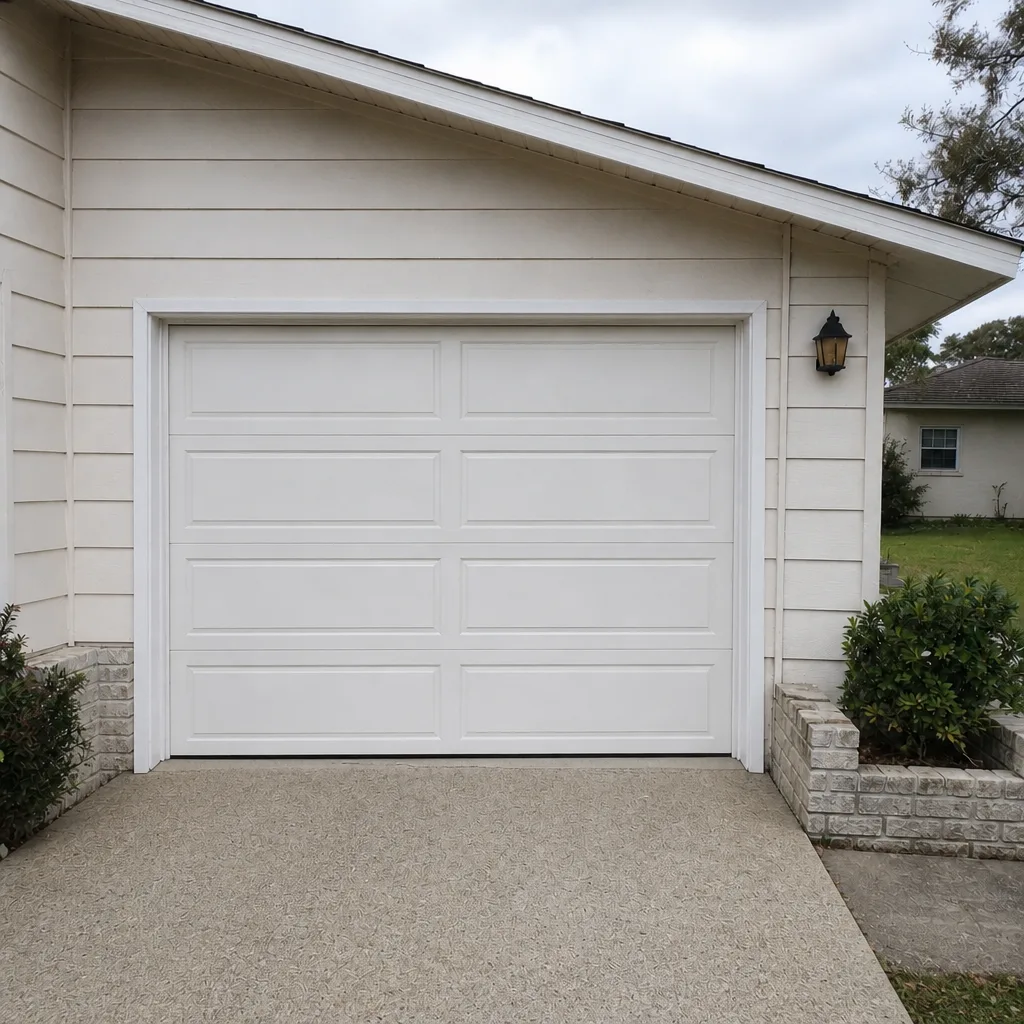
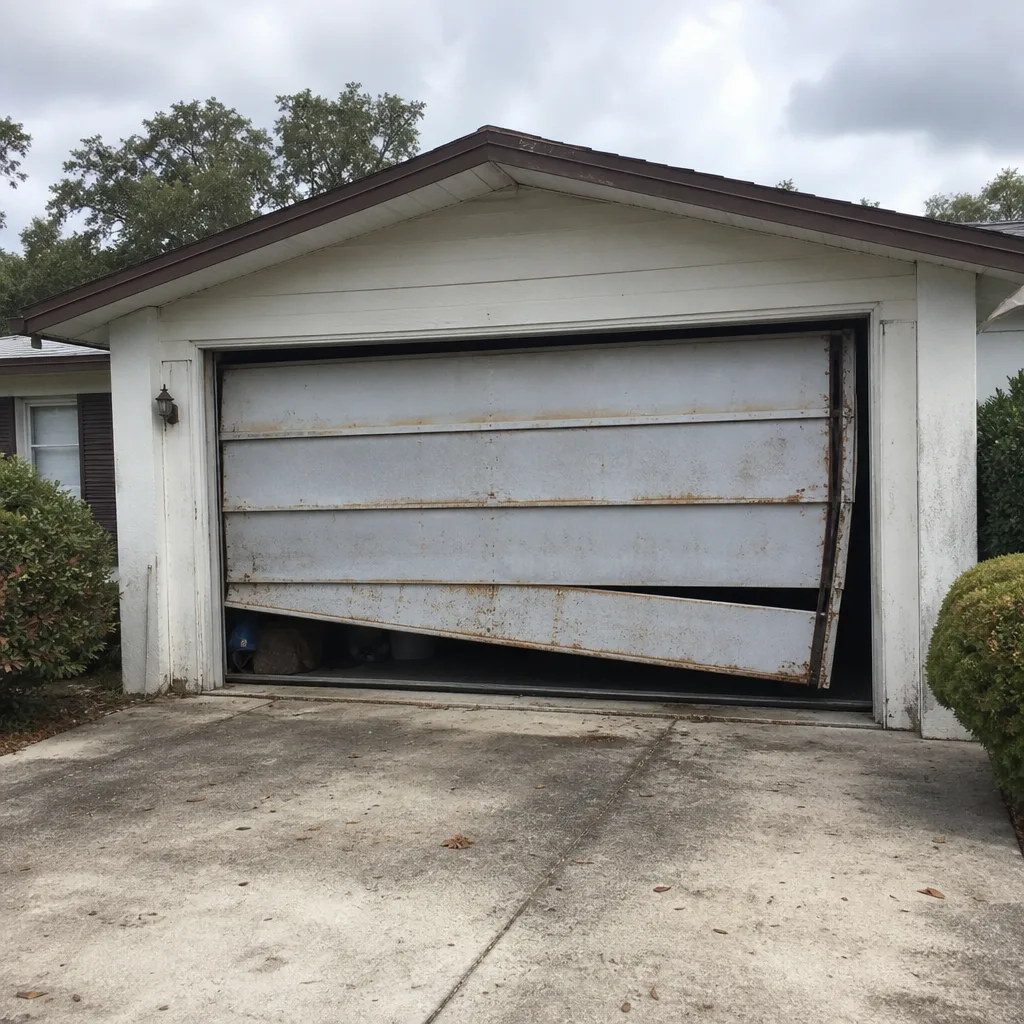
See the difference
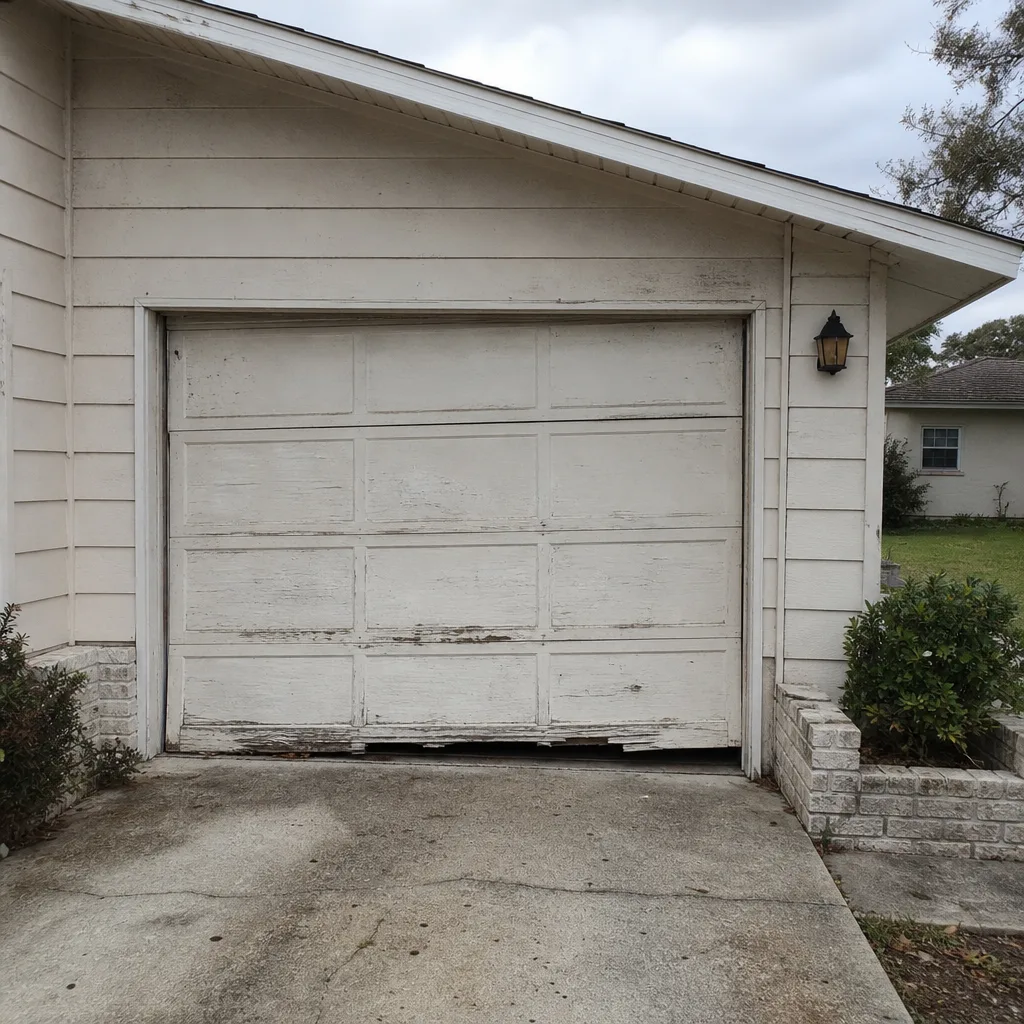 Before
 After
 Before
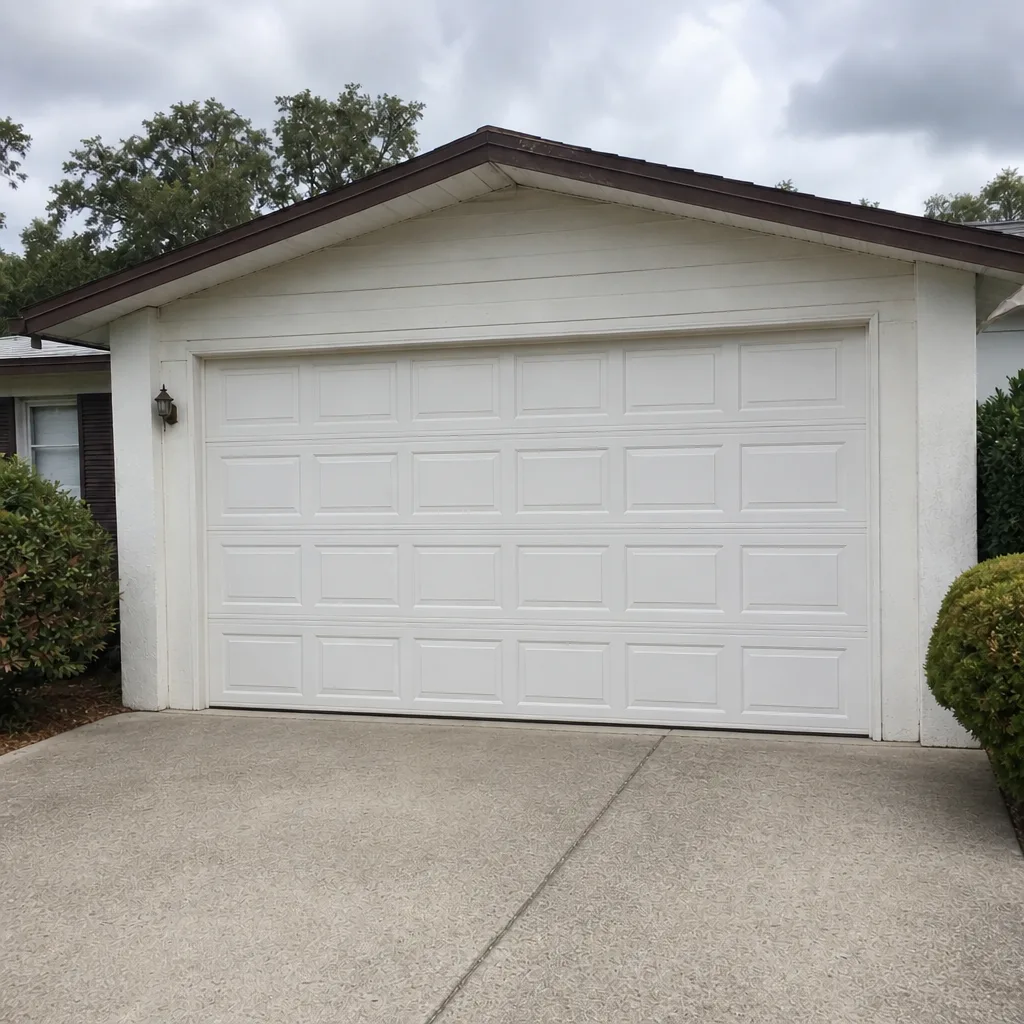 After
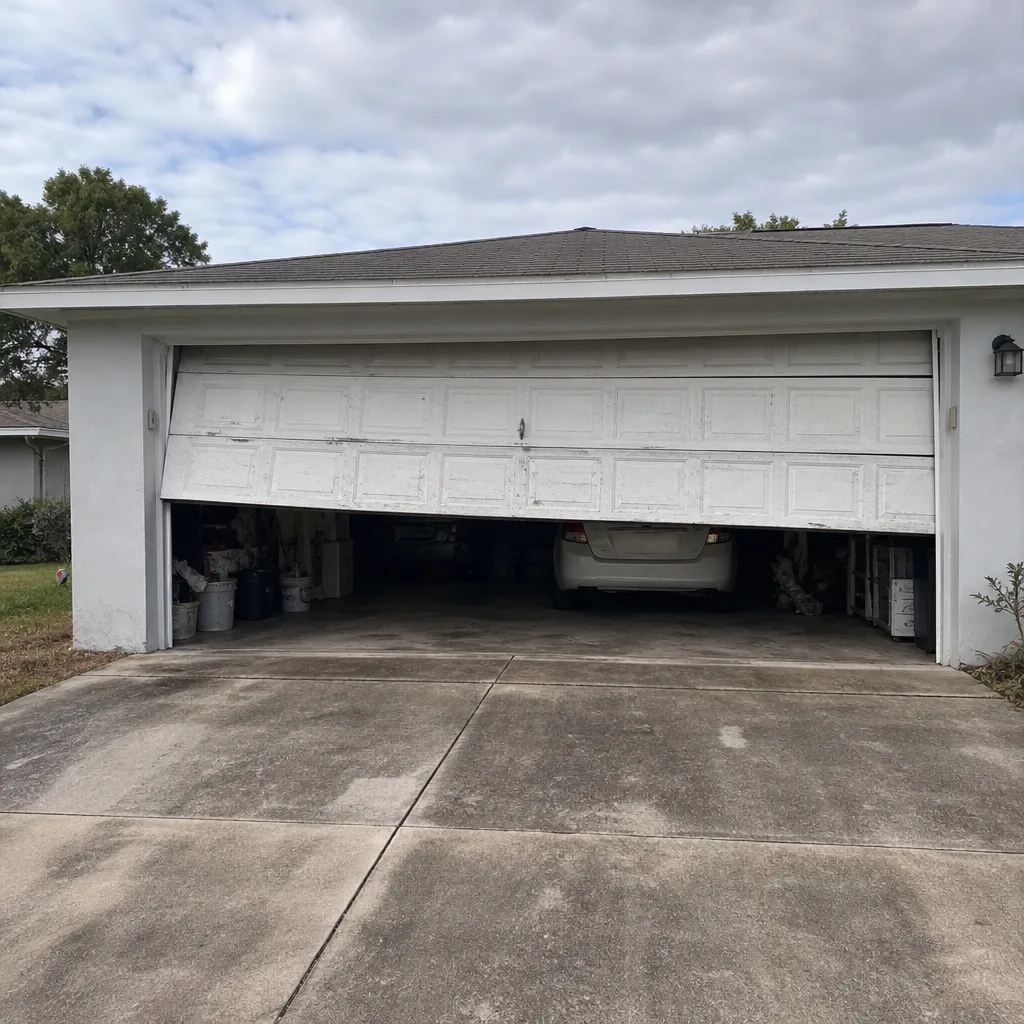 Before
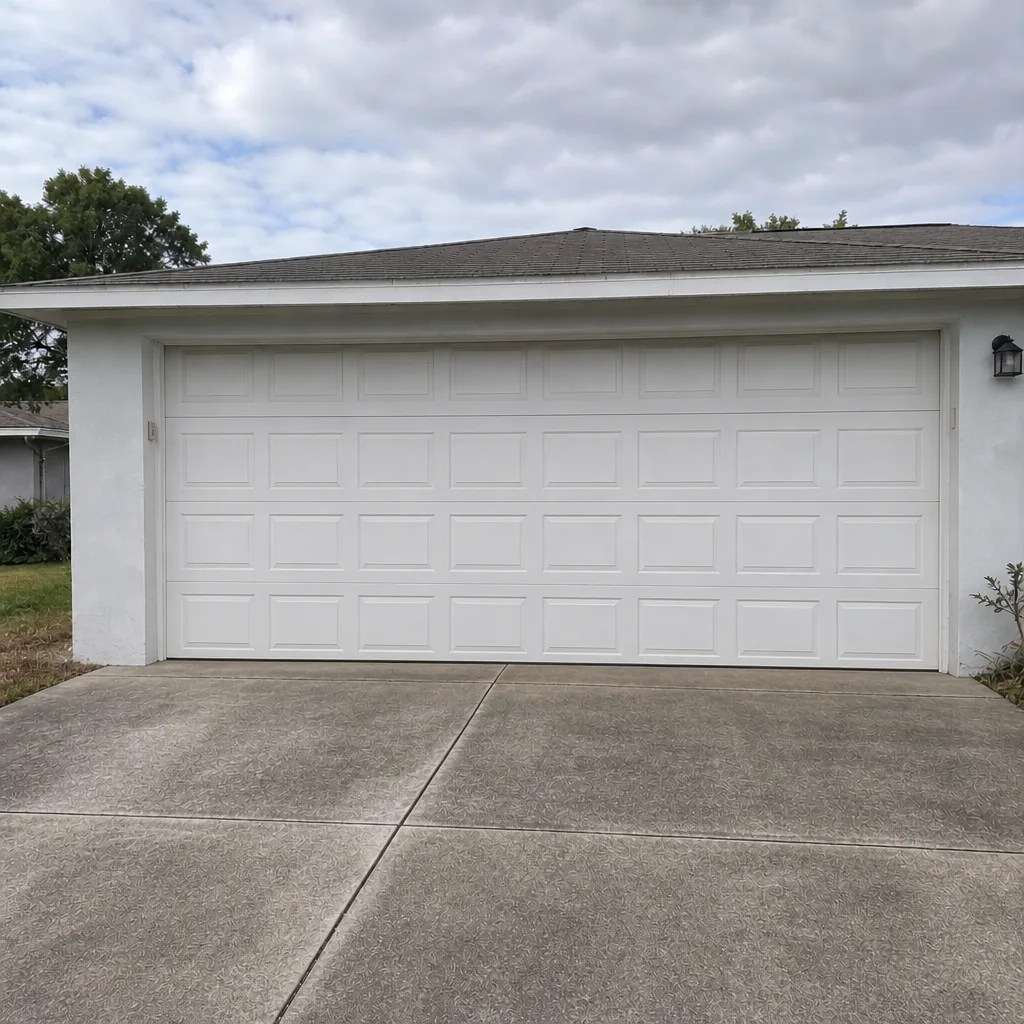 After
When to Call a Professional
Call a professional immediately if the door won’t open or won’t close, if you’ve heard the loud bang that signals a snapped torsion spring, if a cable is visibly frayed or broken, if the door is off the track, or if the door ever feels heavy and unsafe when you lift it manually. Also call if you’ve done the sensor and manual-release checks in this guide and the door still misbehaves. Those are the situations where a technician’s diagnosis is faster and safer than a homeowner’s. Routine repairs – a worn roller, a noisy hinge, a worn weather seal, a sensor that keeps drifting – can wait for a scheduled visit, but they shouldn’t wait for months because worn parts compound into bigger problems. Sun City Center Garage Door Repair offers free estimates in Sun City Center. Call (855) 658-4128 to schedule a diagnostic or a repair visit. Our technicians have up to 9 years of experience and work the major brands, including LiftMaster, Chamberlain, Genie, Raynor, Clopay, Amarr, Wayne Dalton, and Craftsman. Estimates are free, and the price is agreed before any work starts.
Frequently Asked Questions
Your safety sensors are almost certainly misaligned, blocked, or failed. The two lenses near the floor need to see each other in a straight line. A cobweb, a small piece of debris, a bumped bracket, or a shifted sensor after a storm is usually the cause. Wipe the lenses, check the beam path, and confirm the sensor indicator lights are steady. If both lights are steady and the door still reverses, the problem may be in the opener’s logic board and worth a diagnostic. Call (855) 658-4128 for an exact quote if a sensor replacement is needed. Estimates are free.
Spring pricing is per spring, not per door. A typical single torsion spring replacement is a moderate line item on a repair visit, and a matched pair costs roughly twice a single spring because the two are usually replaced together. Extension springs follow a similar pattern. Exact pricing depends on the door size, spring type, and whether both springs need replacement. We give a written estimate on site before any work starts, and that estimate sets the final price. Call (855) 658-4128 for a free estimate.
Emergency garage door service is one of our core services, and doors that won’t close, doors that won’t open with a car trapped inside, and snapped springs are handled with priority. Timing depends on the day and the workload, but we don’t limit emergency service to regular business hours. When you call, describe the situation accurately, mention whether the door is stuck open or stuck closed, and name your door’s brand if you can find it. The sooner we have that information, the sooner we can schedule a qualified technician. Call (855) 658-4128.
Any price change on a repair visit is explained before work begins, and we don’t start work until you’ve agreed to the written estimate. The written estimate is the price. If a technician arrives and finds that the actual problem is different from what the phone call suggested (which can happen because spring types, door weights, and brand parts all vary), you’ll hear about it before anything gets done. No surprise invoices on the back end. Call (855) 658-4128 for a free estimate.
The local professionals we connect you with are licensed and insured as their state requires. That matters most on spring and cable work, where the repair involves stored energy and a failed procedure can hurt someone. Our technicians have up to 9 years of experience and work on the major brands: LiftMaster, Chamberlain, Genie, Raynor, Clopay, Amarr, Wayne Dalton, and Craftsman. Sun City Center Garage Door Repair works exclusively in garage doors, so the technician you get is a garage door specialist rather than a general tradesperson. Call (855) 658-4128 for details specific to your job.
A torsion spring is a horizontal coil on a shaft above the door; an extension spring is a stretched coil running along the track on each side. The distinction matters because the two systems fail differently and the same symptom points to different root causes. A sagging door on a torsion system usually means one spring has lost tension in a matched pair. A sagging door on an extension system usually means one spring has stretched while the other hasn’t, and the cables on the stretched side are carrying extra load. Both need a technician for the repair; the diagnostic path is different. Call (855) 658-4128 to describe what you’re seeing and we’ll help diagnose before the visit.
The Bottom Line
Garage door troubleshooting starts with matching the symptom to the component. Reversing doors usually mean sensor problems, grinding usually means rollers or track, sagging usually means cables or springs, and dead openers after a storm usually mean a failed logic board. Sun City Center’s humidity, heat, and storm season add their own twists: warped tracks, expanding panels, sun-degraded seals, and opener surges after a thunderstorm are all part of the local picture. Do the safe checks – sensors, manual release, travel limits, listening for where the noise comes from – and hand the rest to a technician. Spring and cable work is dangerous and always a professional job. When you’re ready for a diagnosis or a repair, call (855) 658-4128 for a free estimate. Estimates are free, the price is written down before work starts, and the estimate is the price.
Written by the team at Sun City Center Garage Door Repair.