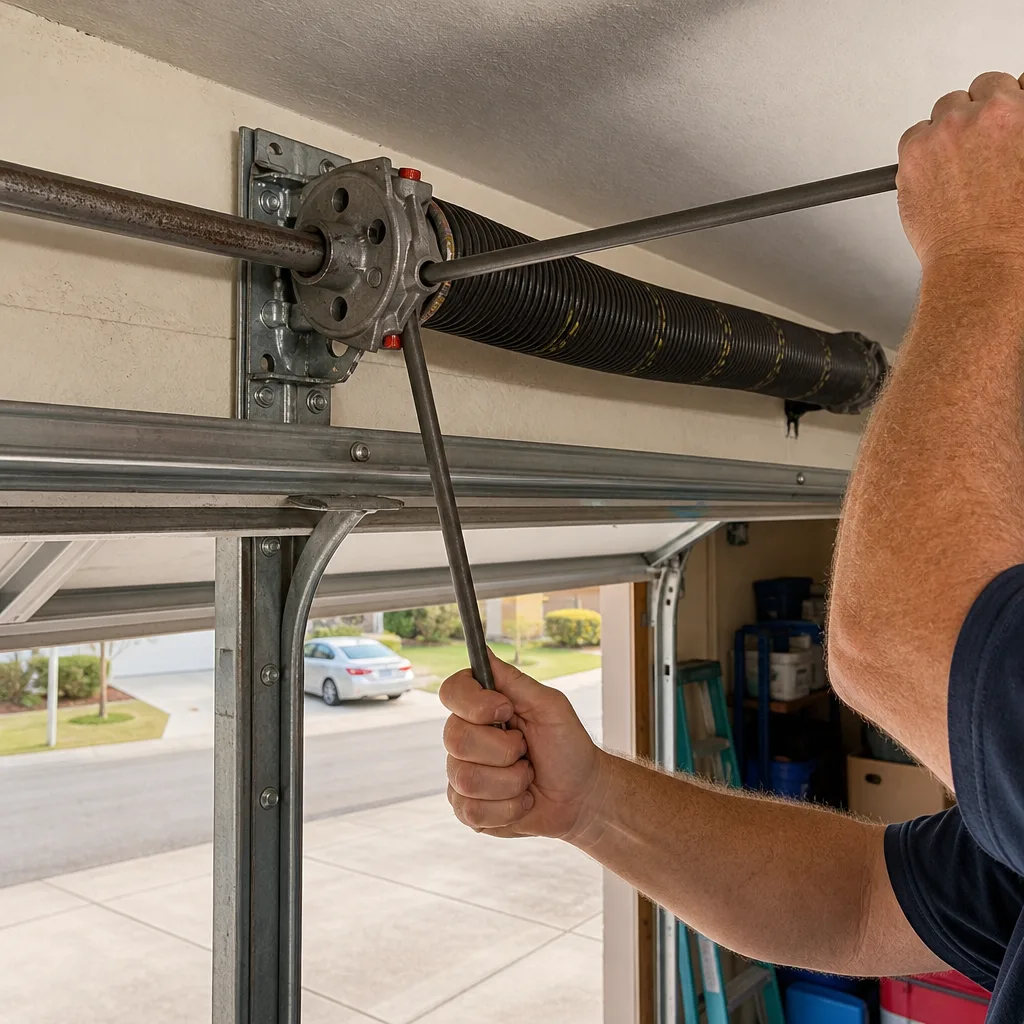
Last updated November 23, 2026
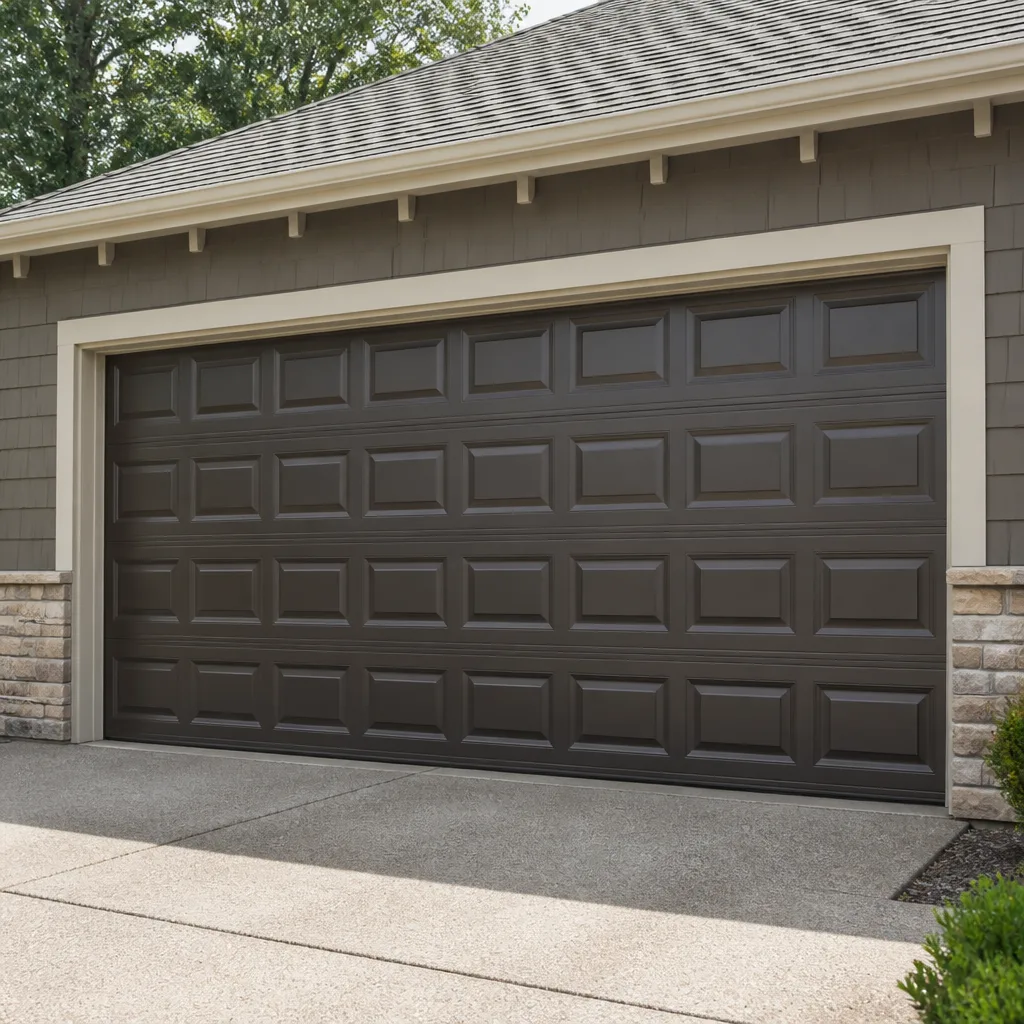 Raised-panel steel
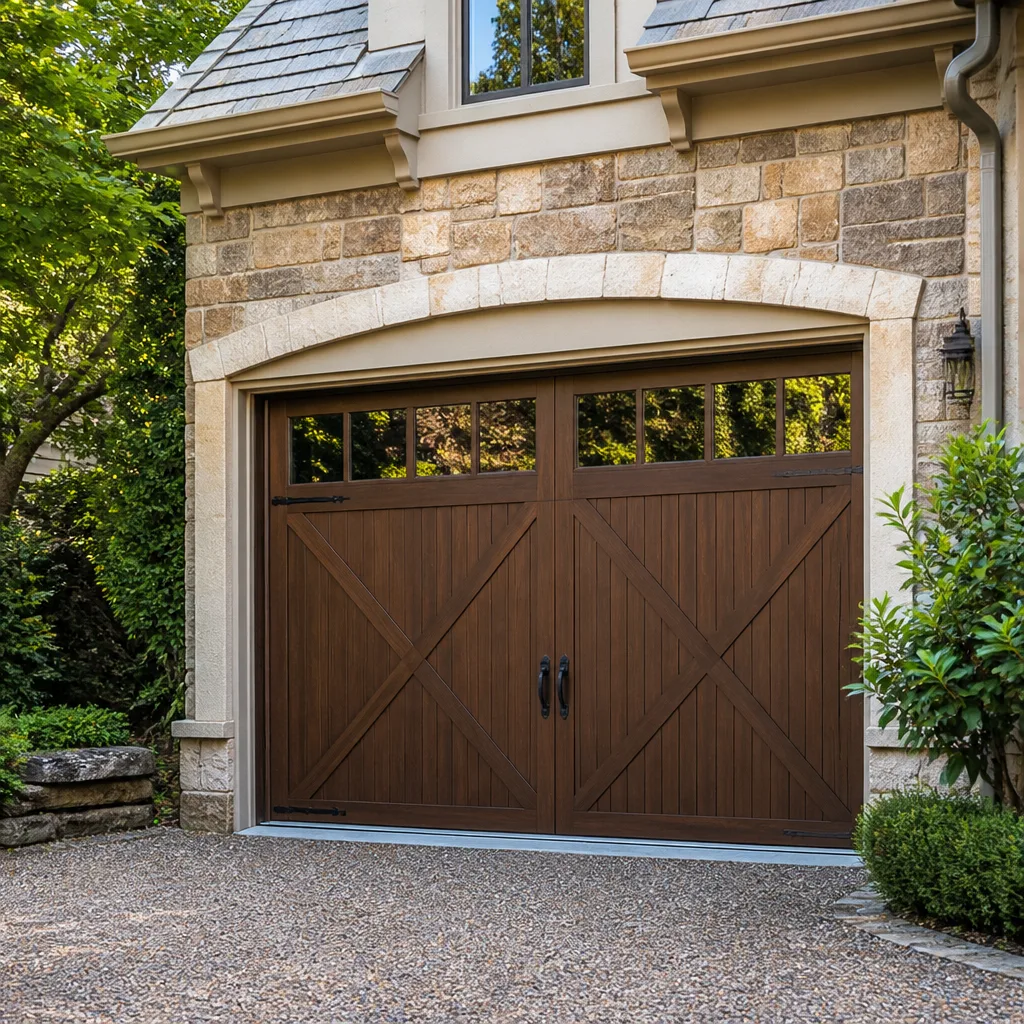 Carriage house
 Modern flush
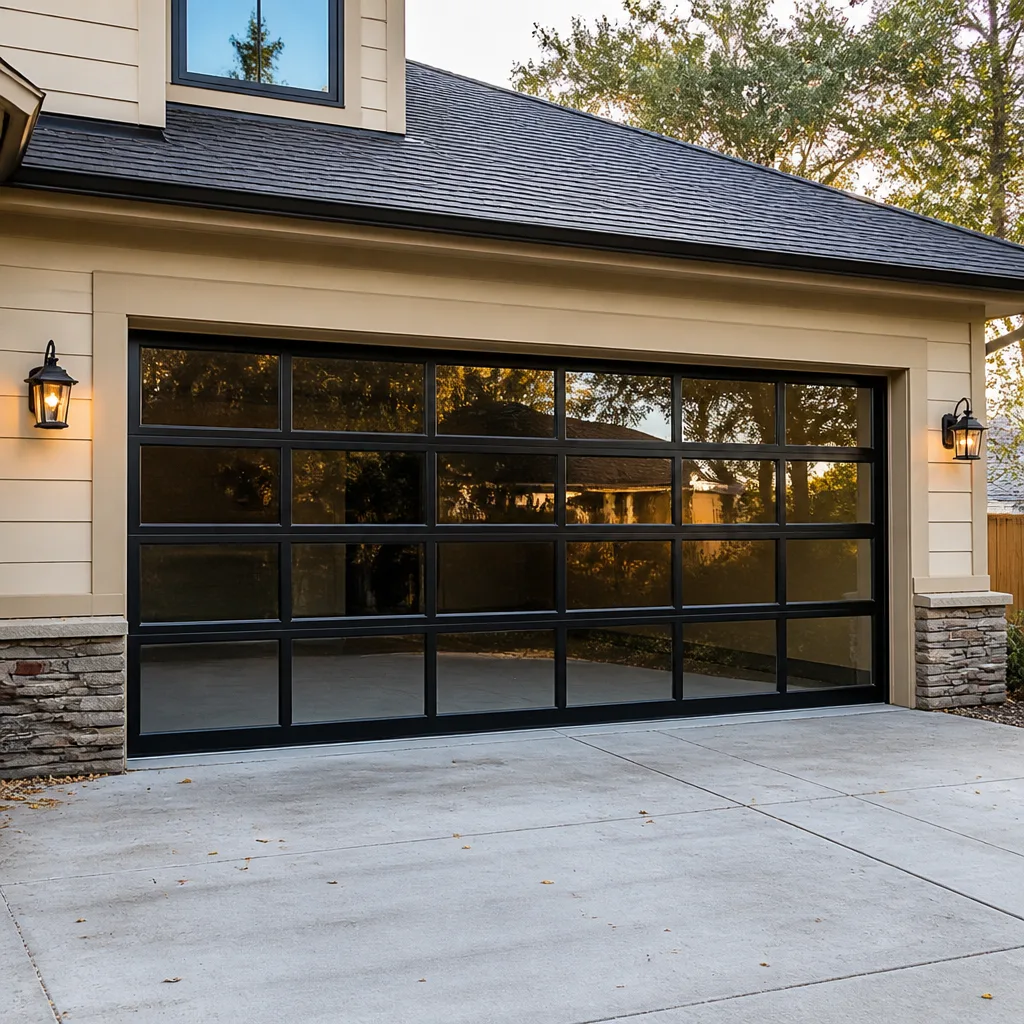 Full-view glass
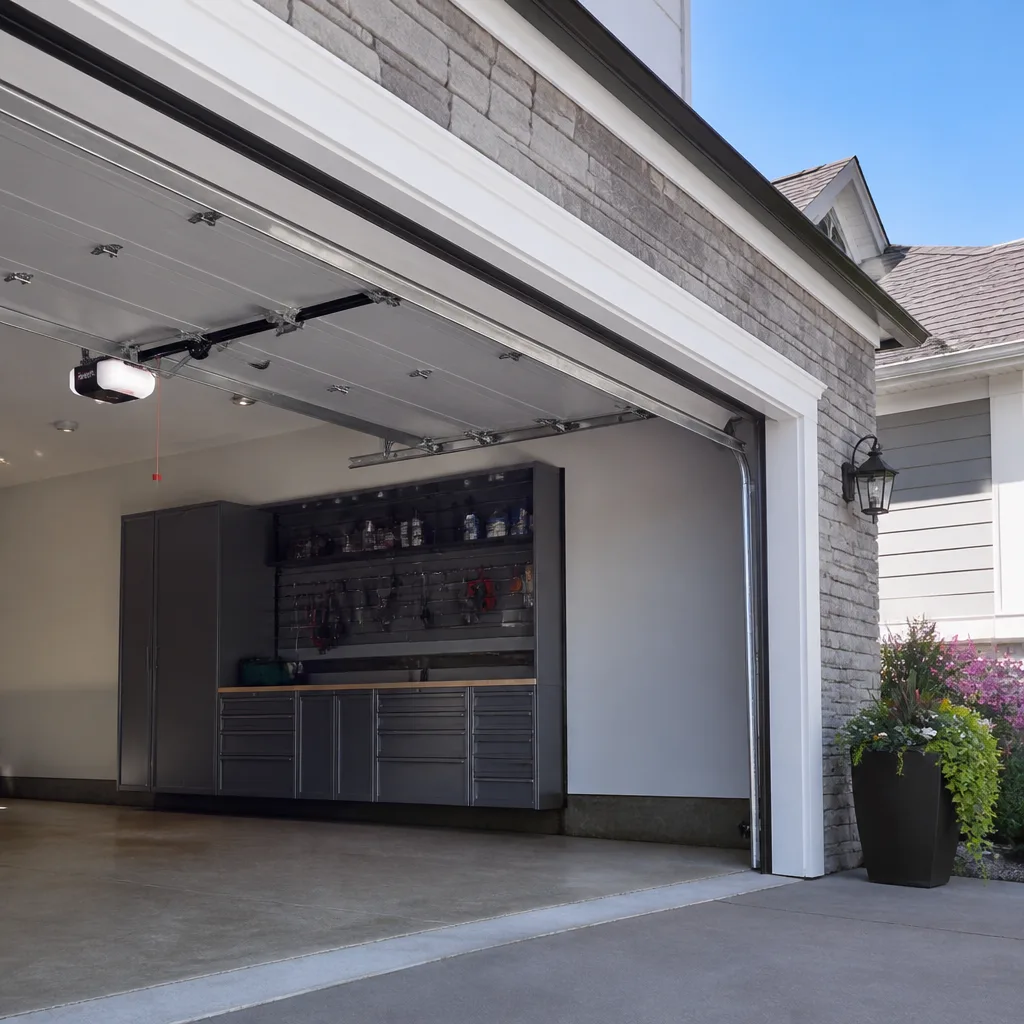 LiftMaster openers
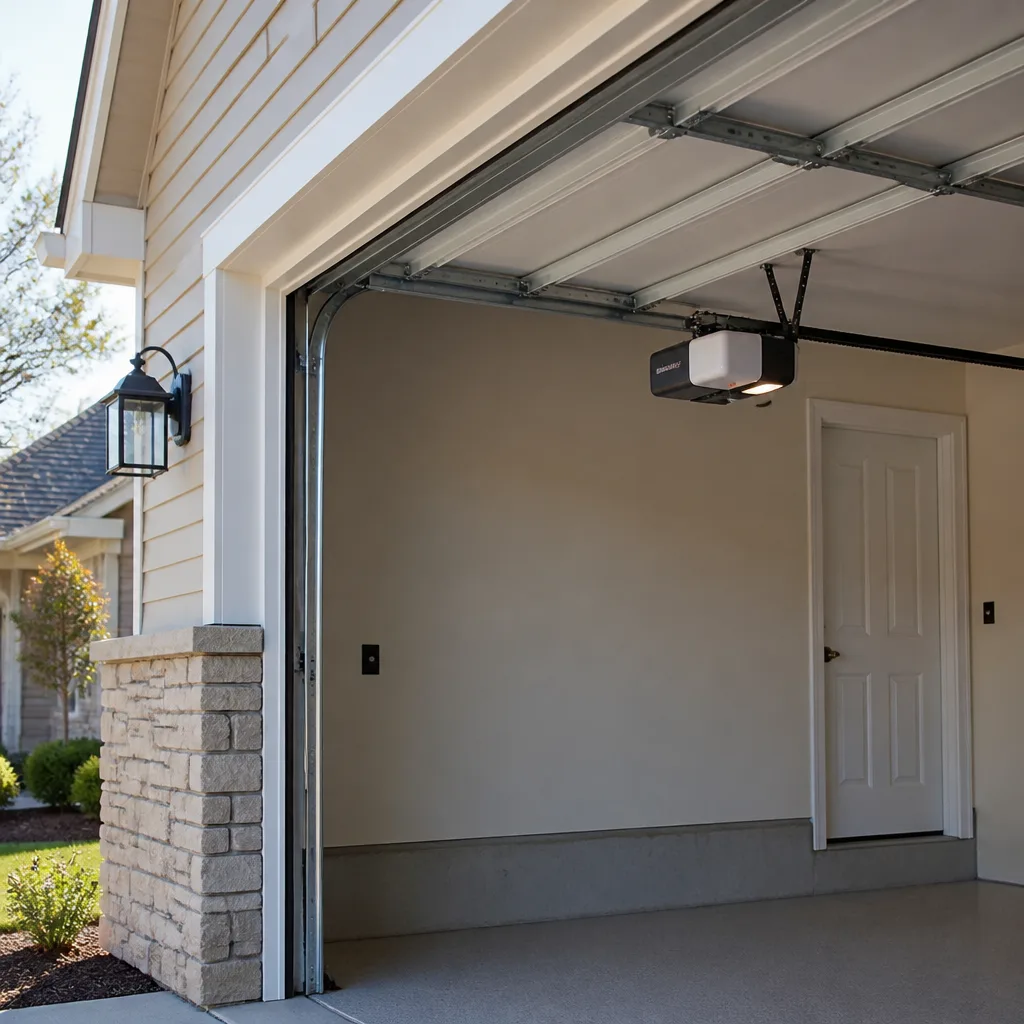 Chamberlain openers
Full 25-point door and opener safety check with every visit - springs, cables, rollers, tracks, and your LiftMaster or Chamberlain opener included
You get a price before we start. It does not change when the pro arrives.
Get your free estimateGarage Door Emergency Preparedness Guide for Sun City Center Homes
Most people think a garage door emergency is a spring that snaps on a Tuesday morning. In Sun City Center, the more likely scenario is a hurricane, a power outage, and a door you can’t operate by hand because the manual release has been frozen shut for years. That’s the part nobody prepares for. The door is the largest opening in your house, and when a storm takes out the grid, it can also take away your car, your evacuation plan, and your ability to secure the home. This guide walks you through what to check, what to test, and what to document before storm season starts. It’s built for Sun City Center homes specifically, because the timing here matters more than anywhere else.
Quick Answer
Garage door emergency preparedness in Sun City Center means three things: confirm your manual release actually works, know how to lift the door safely if a spring has failed, and secure the door before a storm rather than during one. Do that prep weeks ahead of hurricane season, document your door and opener details, and you turn a potential crisis into a manageable inconvenience. The work takes about thirty minutes, and it’s the difference between evacuating and being trapped.
Styles & brands we work with
- Raised-panel steel
- Carriage house
- Modern flush
- Full-view glass
- LiftMaster openers
- Chamberlain openers
Table of Contents
- Why Hurricane Season Is the Real Garage Door Emergency Season in Sun City Center
- How to Find, Test, and Maintain Your Manual Release
- How to Operate a Heavy Door by Hand When Spring Tension Is Off
- How to Secure a Garage Door Before a Hurricane When You Can’t Replace It
- The Post-Storm Inspection Sequence Before You Reconnect the Opener
- What to Document Now So a Technician Can Respond Faster
- What to Do When the Power Goes Out and the Door Won’t Move
- Knowing Your System: Why Brand Familiarity Matters in an Emergency
Why Hurricane Season Is the Real Garage Door Emergency Season in Sun City Center
Sun City Center sits inland in Hillsborough County, which means wind and rain rather than storm surge are the concerns. That shift matters for your garage door. A door that’s properly braced and balanced handles wind pressure far better than one with a tired spring or a bent track, and those are exactly the faults that sit unnoticed for months until a storm tests them. The emergency doesn’t start when the wind arrives. It starts weeks earlier, when nobody checked.
Here’s the pattern we see in Sun City Center. Residents prepare the obvious things: water, batteries, prescriptions, shutters. The garage door gets skipped because it worked fine last time. But a door that opened smoothly in calm weather can behave very differently when it’s under load, and if the opener loses power mid-cycle, you’re left with a door that’s neither fully open nor fully closed. That’s the specific failure point this guide is built around.
Three local realities make this more pressing:
- Power loss is common during storms. When the grid goes down, your opener is dead weight and the manual release becomes your only control.
- The door is your vehicle’s exit. If your car is inside and the door won’t lift, you can’t drive out, and that affects evacuation decisions.
- Technicians can’t reach you mid-storm. Emergency garage door service is available, but no crew is driving through a landfall. Preparation is what carries you through the storm itself.
The good news is that this is one of the most preventable emergencies in the home. Thirty minutes of checking now saves a very bad week later.
How to Find, Test, and Maintain Your Manual Release
Your garage door opener has a manual release, usually a rope with a handle hanging from the trolley, that disconnects the door from the opener so you can lift it by hand. Most homeowners have never touched it. In a power outage, it’s the only thing standing between you and a door that won’t move. Testing it takes a few minutes and should happen before every storm season.
Locate the release first. On most openers, including the LiftMaster and Chamberlain units common in Sun City Center garages, the rope hangs from the carriage that rides the rail above the door. If you don’t see one, look for a lever or a cord tucked near the ceiling-mounted unit itself. If yours is missing or the rope has frayed away, that’s a repair to handle before storm season, not during one.
Test it in this order:
- Close the door fully and disconnect the opener by switching off the wall control or unplugging the unit.
- Pull the release handle straight down with steady pressure. It should disengage with a firm tug, not require yanking or prying.
- Lift the door by hand about a foot, then lower it. You’re confirming the door moves freely, not testing your strength.
- Reconnect by pulling the door up until the carriage clicks back into the trolley. Run the opener once to confirm it cycles normally.
If the release won’t pull, doesn’t disengage, or the door won’t budge after disconnecting, stop there. A release that’s jammed or a door that’s stuck after disconnecting both point to a mechanical problem, often spring or track related, that needs a technician. Don’t force it. That’s a call to a professional, and it’s exactly the kind of thing that has to be resolved with time to spare.
Simple maintenance that keeps the release working
A few habits keep the release functional. Pull and reset it once a season so the linkage doesn’t seize. Check that the rope isn’t rubbing on the rail or catching on the bracket. And keep the area around the release free of stored boxes and holiday bins, because you don’t want to be clearing clutter in the dark with a flashlight in your teeth. In Sun City Center garages, where storage tends to pile up, that clearance is worth checking every year.
How to Operate a Heavy Door by Hand When Spring Tension Is Off
If your spring has already failed and the power is out, you’re lifting a door that weighs well over a hundred pounds with no counterbalance. That’s a genuinely dangerous situation, and the safe approach is deliberate. A garage door with a broken spring can drop suddenly, so the priority is control, not speed. We handle torsion and extension spring work as a core service precisely because this is the most mechanically dangerous repair in the home, and it’s not a job to improvise.
Before you grip the handle, understand the risk. A door with one failed spring in a matched pair puts uneven tension on the remaining spring and the cables, and a cable can fail without warning. Keep your hands away from the springs, cables, and brackets at all times. Never insert fingers between door sections.
If you must lift a door with failed spring tension, follow this sequence:
- Disconnect the opener using the manual release so you’re not fighting the motor.
- Stand to one side, not directly under the door, and grip the bottom section by its handle or a solid edge, never by the gaps between sections.
- Lift with your legs, keeping the door level as it rises. A door that tilts means tension is uneven, and you should stop.
- Prop the door securely the moment it’s high enough for your purpose. Never leave it partway up unattended; it can come down hard.
- If the door won’t lift evenly or feels like it’s binding, stop. A binding door with a failed spring is a job for a trained technician.
We tell Sun City Center homeowners the same thing every time: if a spring is broken, the safest move is to leave the door closed, park outside if you can, and schedule garage door spring repair before the next storm window. Manual operation is a stopgap for an emergency, not a repair strategy.
How to Secure a Garage Door Before a Hurricane When You Can’t Replace It
Most garage door replacement work is measured, ordered, and scheduled, which means if a hurricane is already in the forecast, a new door isn’t happening this week. So the question becomes: how do you get the most out of the door you have? That’s about bracing, load path, and removing the faults that make a door fail early. A door that’s rigid and balanced gives you real protection; a door with a bent track or weak spring does not.
Start with a structural once-over, inside and out:
- Check the vertical tracks for dents, bends, or loosened anchors. A track that’s out of alignment lets the door flex under wind load.
- Test the balance. Disconnect the opener and lift the door halfway. If it won’t hold roughly in place, the springs are tired and the door is working too hard.
- Inspect the rollers and hinges for wear, rust, or missing screws. Loose hardware is the first thing to rattle apart under pressure.
- Look at the weatherstripping and bottom seal for gaps that let wind-driven rain in. A failed seal isn’t a hazard, but it does mean water inside.
- Confirm the door closes fully and latches. A door that stops an inch short is a wind entry point.
For bracing, harden only in ways the manufacturer supports. Some doors accept a vertical reinforcement strut that attaches to the door panels, and that’s the appropriate move for wind resistance on a door that’s rated for it. Don’t bolt on improvised braces, screw plywood into the panels, or block the door shut with heavy objects that put stress on the tracks. If the door is already showing significant damage, bracing won’t fix a structural problem.
If you’re unsure whether your door can be hardened at all, that’s a conversation to have now, while there’s time to plan a replacement before next season. The same crew that repairs your door can supply and install a complete new system, so you’re not handed off to a third party. Talk to us about garage door repair versus replacement while the calendar is on your side.
The Post-Storm Inspection Sequence Before You Reconnect the Opener
After a storm passes and the power comes back, the instinct is to hit the opener button and see if the door works. Don’t. A door that took wind or debris damage can look fine and still fail on the first cycle, and running the opener on a damaged door can turn a repair into a replacement. Walk the door by hand first, then power it up.
Run this sequence every time:
- Clear the area. Walk the full path of the door and look for debris, branches, or anything that fell against the panels or track.
- Inspect the tracks and brackets from the floor up. Look for bends, missing fasteners, or pulled anchors. Don’t straighten a bent track with a hammer; call a technician.
- Check the panels for impact or separation. Any cracked or separating section changes how the door carries load.
- Look at the springs and cables without touching them. A broken spring or a frayed cable means stop, disconnect the opener, and schedule repair.
- Test the door by hand with the opener disconnected. It should lift and lower smoothly and stay roughly where you leave it halfway up.
- Reconnect the release, then cycle the opener once and watch the full travel. Any grinding, jerking, or reversal means stop and call.
If the door is wiring-compatible and the opener simply won’t respond, that’s often a control or electronic fault rather than the door itself. That’s where garage door opener repair comes in, and it’s a different diagnosis than a mechanical problem. The inspection sequence above tells you which one you’re dealing with before anyone arrives.
What to Document Now So a Technician Can Respond Faster
The single most useful thing you can do before an emergency is write down your door and opener details and keep them somewhere you can find them without power. When you call for help, the technician who already knows your brand and model can plan the visit, bring the right parts, and skip the guesswork that eats an afternoon.
Create a simple garage door file, paper or digital, and include:
- Door brand and model. The label is usually on the inside of the bottom panel or on the frame. Amarr and Wayne Dalton doors both mark their panels clearly; note it down.
- Opener brand and model. LiftMaster, Chamberlain, Genie, and Craftsman units all label their head units. Note the model number from the sticker.
- Spring type and location. Is it a torsion spring on a shaft above the door, or extension springs running along the horizontal tracks? A quick photo saves time.
- The date the door was last serviced. A note helps a technician understand what’s been done.
- Emergency contacts, including the number for garage door help. Ours is (855) 658-4128, and it’s worth writing on the wall by the opener.
- Shut-off points. Note where the opener’s power switch or plug is, and where your panel is, so you can kill power to the door safely if you ever need to.
Keep a printed copy in the garage, sealed in a plastic bag against rain, and a photo of the whole sheet on your phone. When the power is out and you’re trying to sort out a door in the dark, that page is worth more than a forgotten email.
What to Do When the Power Goes Out and the Door Won’t Move
The power is out and the door won’t move. Start with the manual release; if it’s working, disconnect the opener and lift by hand as described above. If the release is jammed, and you have no way to operate the door, that’s the moment to call for emergency garage door service rather than muscle through it. We offer emergency availability because waiting until Monday isn’t an option when the car is stuck inside and the storm isn’t finished.
In the moment, work through these steps:
- Confirm the opener has no power. Check the breaker and whether the outlet is live. Sometimes the door works fine and it’s a tripped circuit.
- Use the manual release and lift by hand if it disengages cleanly.
- If the release won’t work, stop trying. A jammed release means a mechanism failure, not something you can force with a pry bar.
- Close the door if it’s safe to do so, and lock it or brace it from inside.
- Call for help. Give the technician your door and opener details from your documentation sheet.
This is also why our technicians have up to 9 years of experience and work across the major brands: when someone calls in the middle of a real emergency, knowing the system already is the difference between a fix and a search. Call us on (855) 658-4128 and have your model numbers ready. We quote and agree the price before any work starts, even on an emergency call, so there are no surprises on the other side of it.
Knowing Your System: Why Brand Familiarity Matters in an Emergency
Garage doors and openers are not interchangeable. A Raynor door hangs differently from a Clopay, a Genie opener’s trolley and safety reverse work differently from a LiftMaster, and a Craftsman unit from years past may use a control setup the newer smart systems don’t. In a calm week, a technician can figure that out on site. In an emergency, that time is the emergency. We work exclusively in garage doors and know the leading systems well enough to diagnose by the brand, not by trial and error.
That single-trade focus is why we handle everything from a snapped spring to a full new install in one place. It also means you’re not calling a general handyman who’ll swap a part and hope. Our service covers every stage of the door’s life: the routine repair, the opener fault, the spring replacement, and the new system when repair stops making sense.
The practical takeaway for Sun City Center homeowners is simple. Know what’s in your garage. A Wayne Dalton or Amarr door and a Chamberlain or Craftsman opener each have their quirks, and knowing yours helps you get better help, faster, when it counts.
Common Mistakes to Avoid
- Never testing the manual release. Homeowners buy a door, use the opener forever, and discover the release is seized the one time a storm cuts the power. Test it once a season, before storm season especially.
- Standing under the door while lifting it by hand. Lift from the side, keep hands clear of cables and springs, and never lean into the path of a door with a failed spring.
- Prying a jammed release with a bar. A release that won’t pull is a mechanism fault. Forcing it bends linkage and creates a bigger repair, usually at the worst possible time.
- Hitting the opener right after a power outage. A door that took wind or debris can look normal and still be damaged. Walk it by hand first, then power it up.
- Improvised bracing and blocking. Bolting plywood to panels or wedging objects against tracks puts stress on hardware and can fail under load. Use manufacturer-supported reinforcement only.
- Storing boxes against the manual release. In a Sun City Center garage with a lot of storage, the release gets buried. Keep the area clear so you can reach it in the dark.
- Calling with no details. “My door is broken” gets a generic visit. Door brand, opener model, and a photo get a faster, better-prepared technician.
See the difference
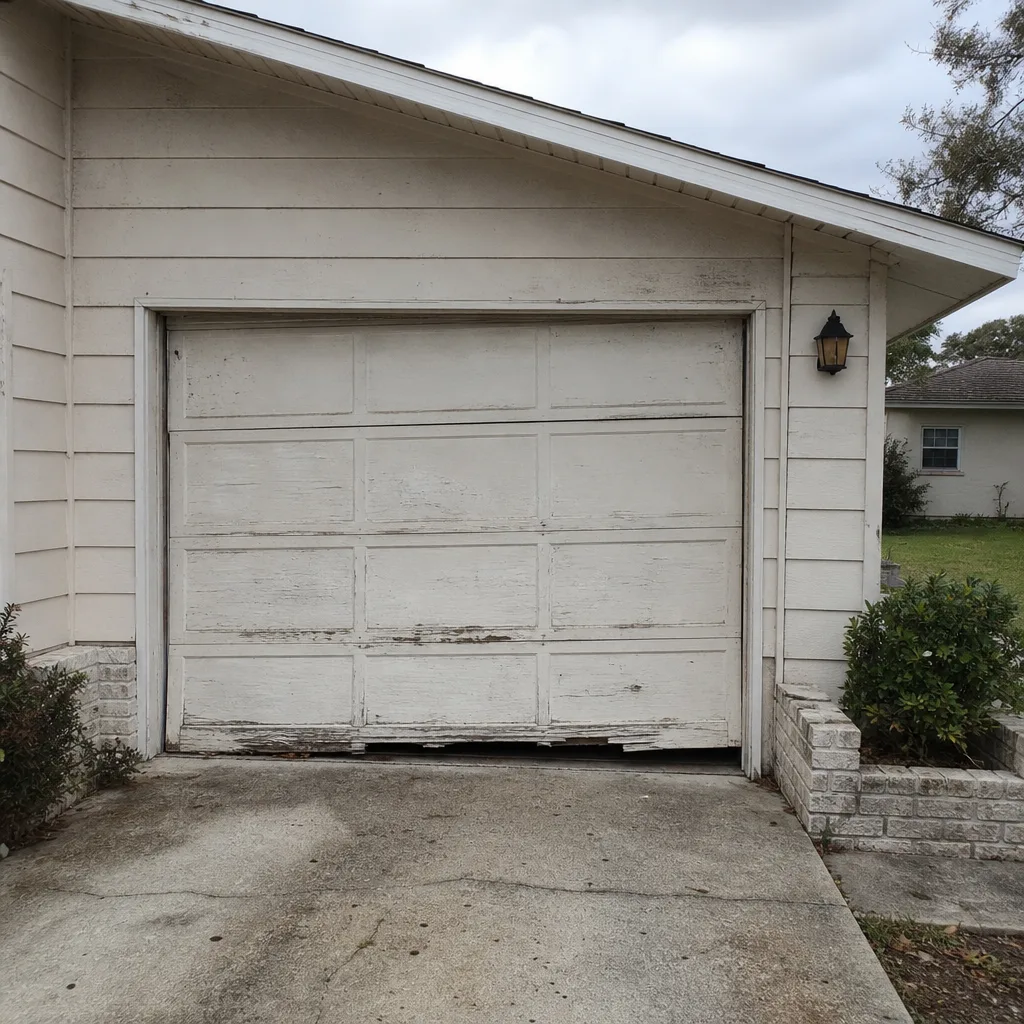 Before
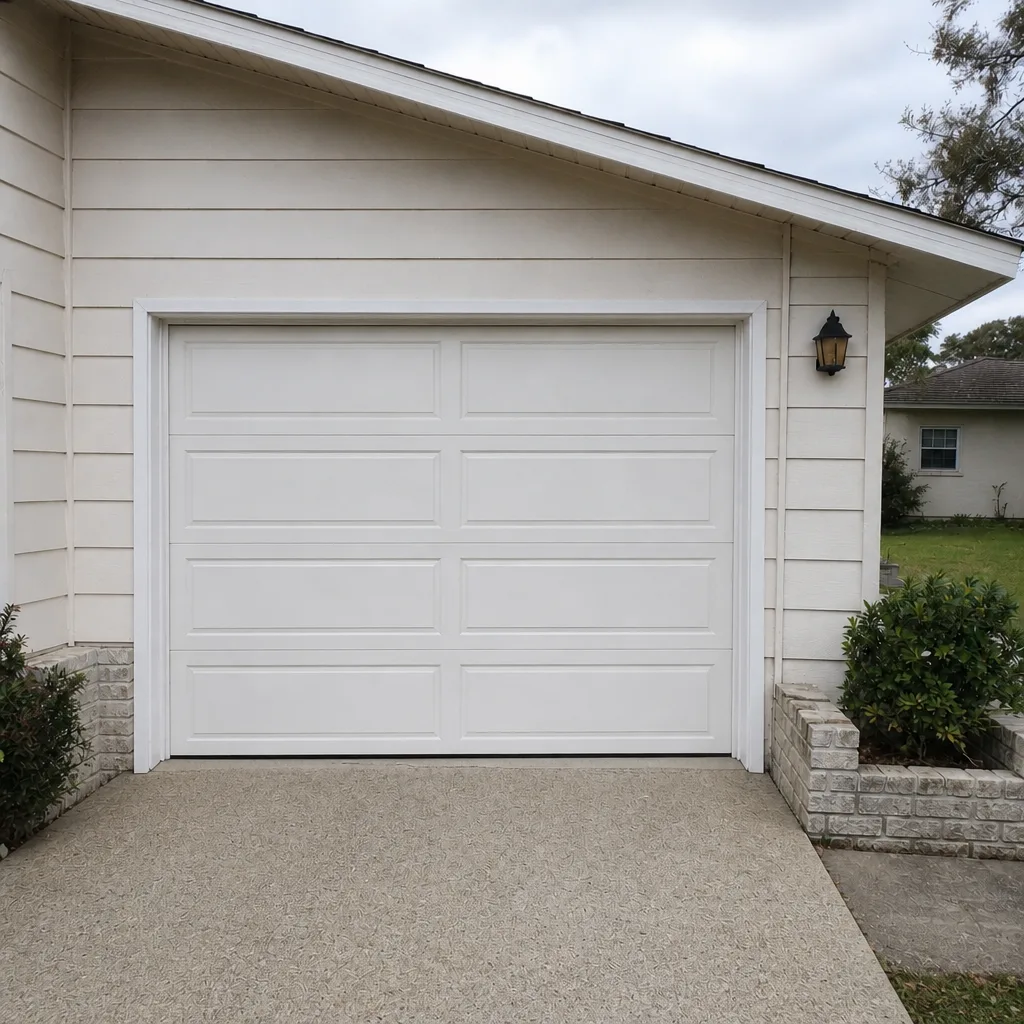 After
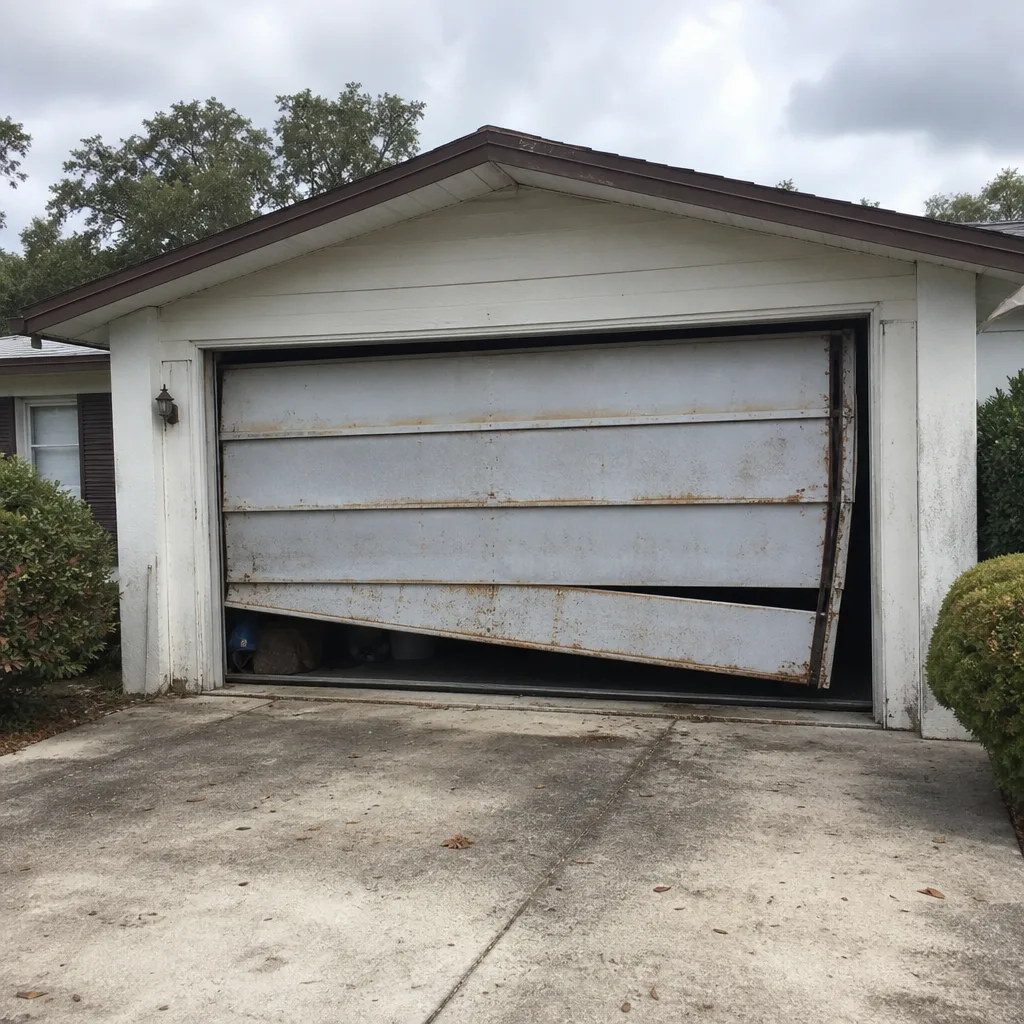 Before
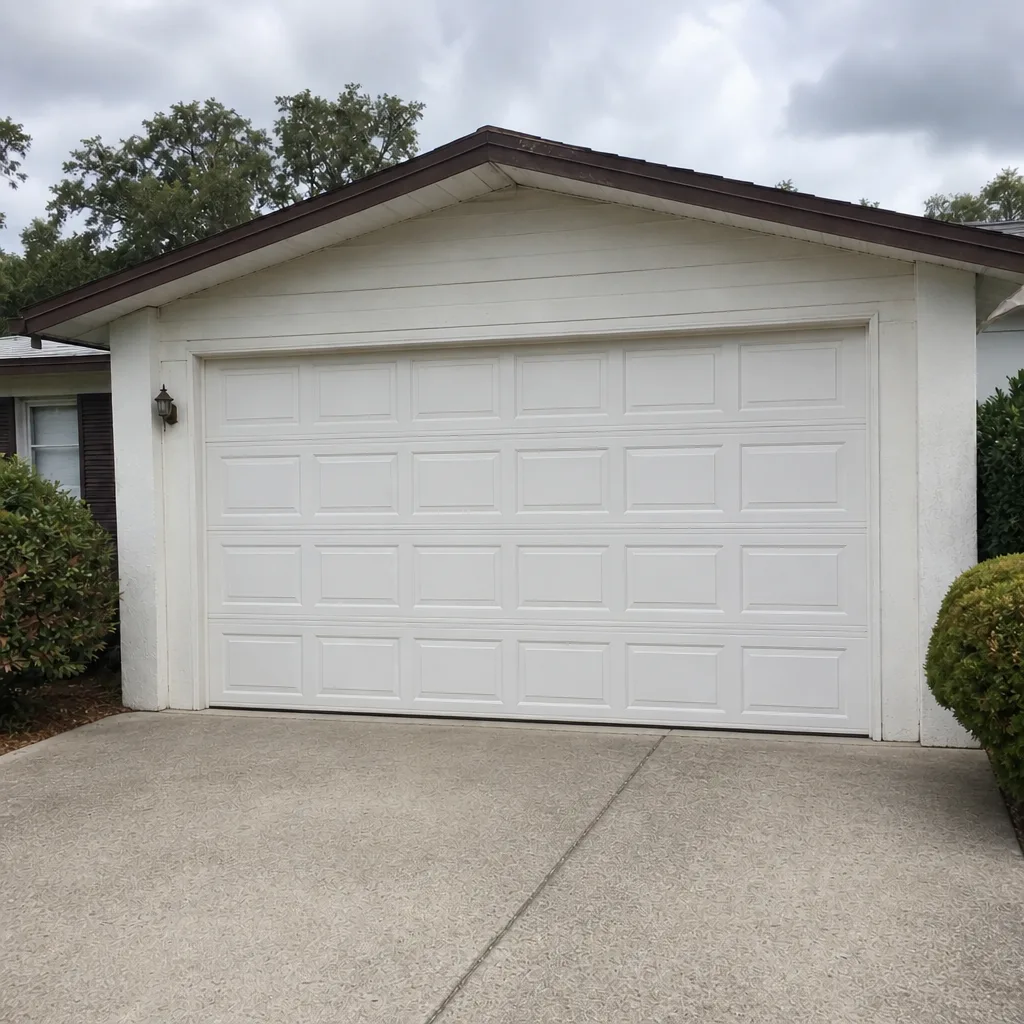 After
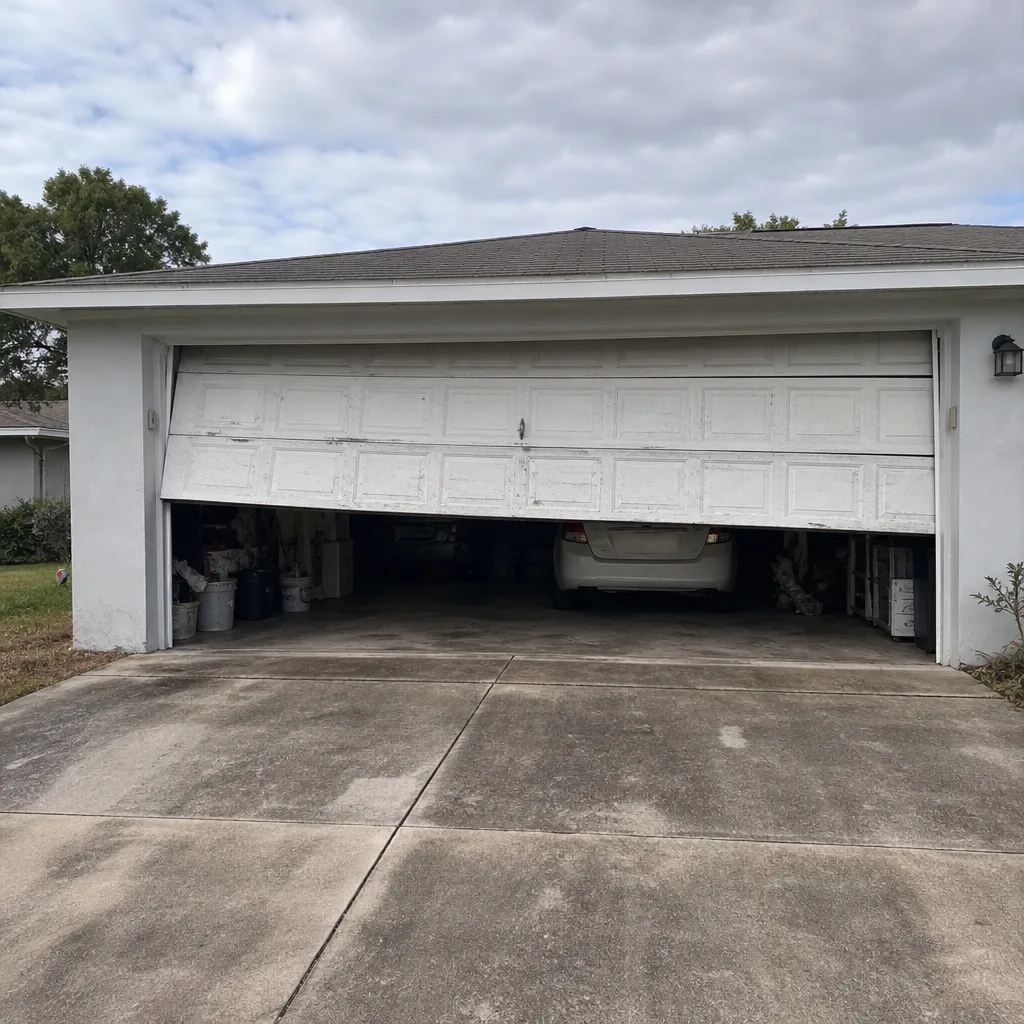 Before
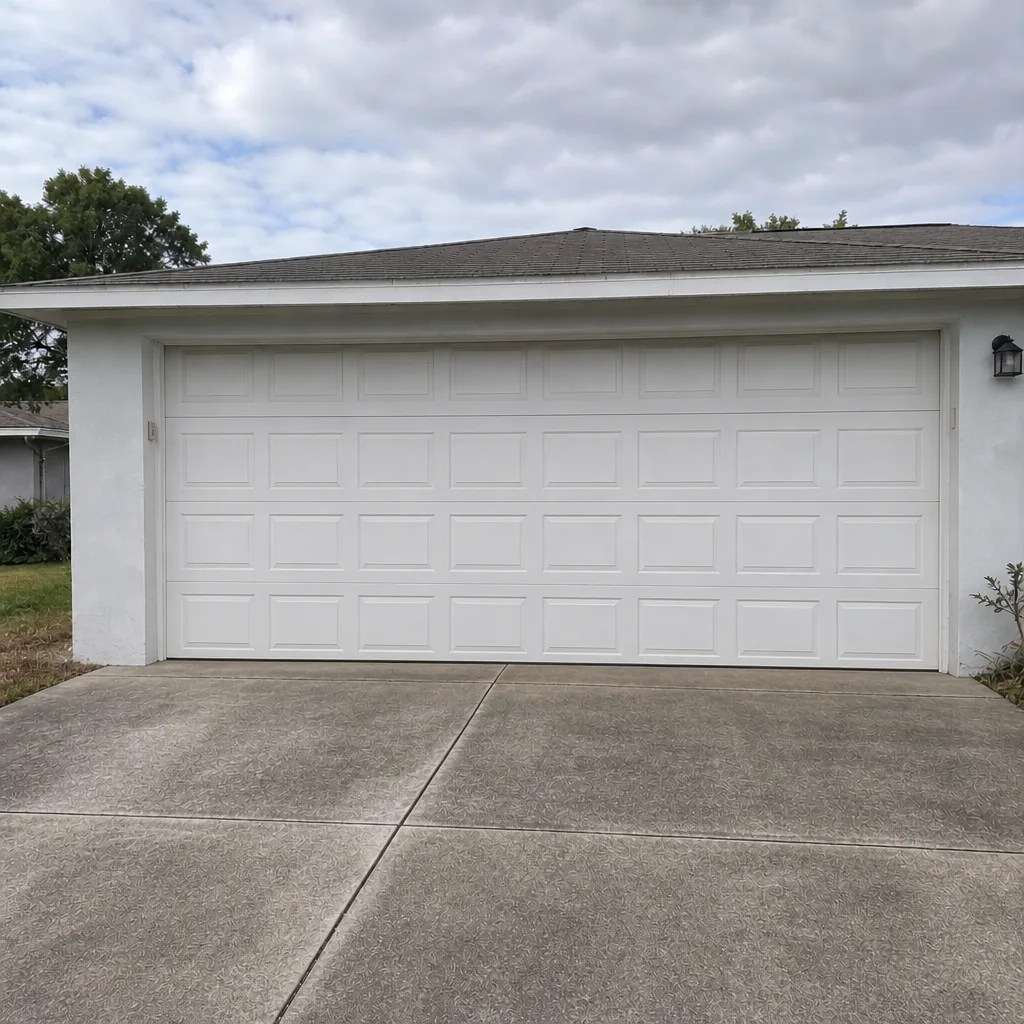 After
When to Call a Professional
Some problems are a call rather than a project. Call a professional for any spring or cable fault, since torsion and extension spring work is the most mechanically dangerous repair in the home and should never be a DIY job. Call when the manual release won’t disengage, when a door binds or tilts as you lift it, when tracks are bent or anchors have pulled, when panels are cracked or separating, and when the opener cycles erratically or won’t respond after a storm. In an emergency – a car trapped inside, a door stuck open before a storm, a broken spring with no way to lift – that’s what our emergency availability is for. Sun City Center Garage Door Repair offers free estimates in Sun City Center – call (855) 658-4128, and we’ll quote and agree the price before any work starts.
Frequently Asked Questions
Pull the manual release to disconnect the opener, then lift the door by hand. The release is usually a rope and handle hanging from the trolley above the door. If it pulls cleanly, you can operate the door manually; if it’s jammed, call (855) 658-4128 rather than forcing it. Estimates are free, and we’re available for emergency garage door service when waiting until Monday isn’t an option.
We don’t publish a price because the written estimate sets the final price, and we quote and agree it before any work starts. A spring repair depends on whether it’s torsion or extension, and whether it’s a single spring or a matched pair, since a pair is usually replaced together. Call (855) 658-4128 for an exact quote on your door – estimates are free.
Only with real caution, and only as a stopgap. A door with a failed spring has no counterbalance and can drop suddenly, so lift from the side, keep hands clear of cables and springs, and prop the door securely the moment it’s high enough. If it binds or tilts, stop. The safer choice is to leave it closed and schedule spring repair with a trained technician.
No, walk the door by hand first. Running an opener on a door that took wind or debris damage can turn a repair into a replacement. Check the tracks, panels, springs, and cables, test travel by hand with the opener disconnected, then reconnect the release and cycle the opener once while watching the full travel. If anything grinds or jerks, stop and call.
Test the manual release, check the door’s balance with the opener disconnected, inspect tracks, rollers, and hinges for wear, and confirm the door closes fully. Use only manufacturer-supported reinforcement, and document your door and opener model numbers so a technician can respond faster. If the door is already damaged or can’t be hardened, plan a replacement before the next season rather than during a storm.
The local professionals we connect you with are licensed and insured as their state requires, and they work on garage doors exclusively rather than as a general handyman service. Our technicians have up to 9 years of experience and know the major brands, including Amarr, Wayne Dalton, Craftsman, and Raynor. Call (855) 658-4128 for a free estimate.
The Bottom Line
A garage door emergency in Sun City Center usually happens during a hurricane, not between them, and that timing is what makes preparation pay. Test the manual release before storm season so the power going out doesn’t take your car with it. Know how to lift a heavy door safely when spring tension is off, and know when to stop and call. Secure the door you have rather than counting on a replacement that can’t arrive in time, and walk the door by hand before you reconnect the opener after a storm. Document your door and opener details now, while you can read the labels in good light. Thirty minutes of prep is the whole difference.
If any of that turns up a problem, we can help. Sun City Center Garage Door Repair works on garage doors exclusively, from a snapped spring to a full new installation, across LiftMaster, Chamberlain, Genie, Clopay, Amarr, Wayne Dalton, Craftsman, and Raynor systems. Call (855) 658-4128 for a free estimate, and we’ll quote and agree the price before any work starts. You can also start with Sun City Center Garage Door Repair to see how we work.
Written by the team at Sun City Center Garage Door Repair.