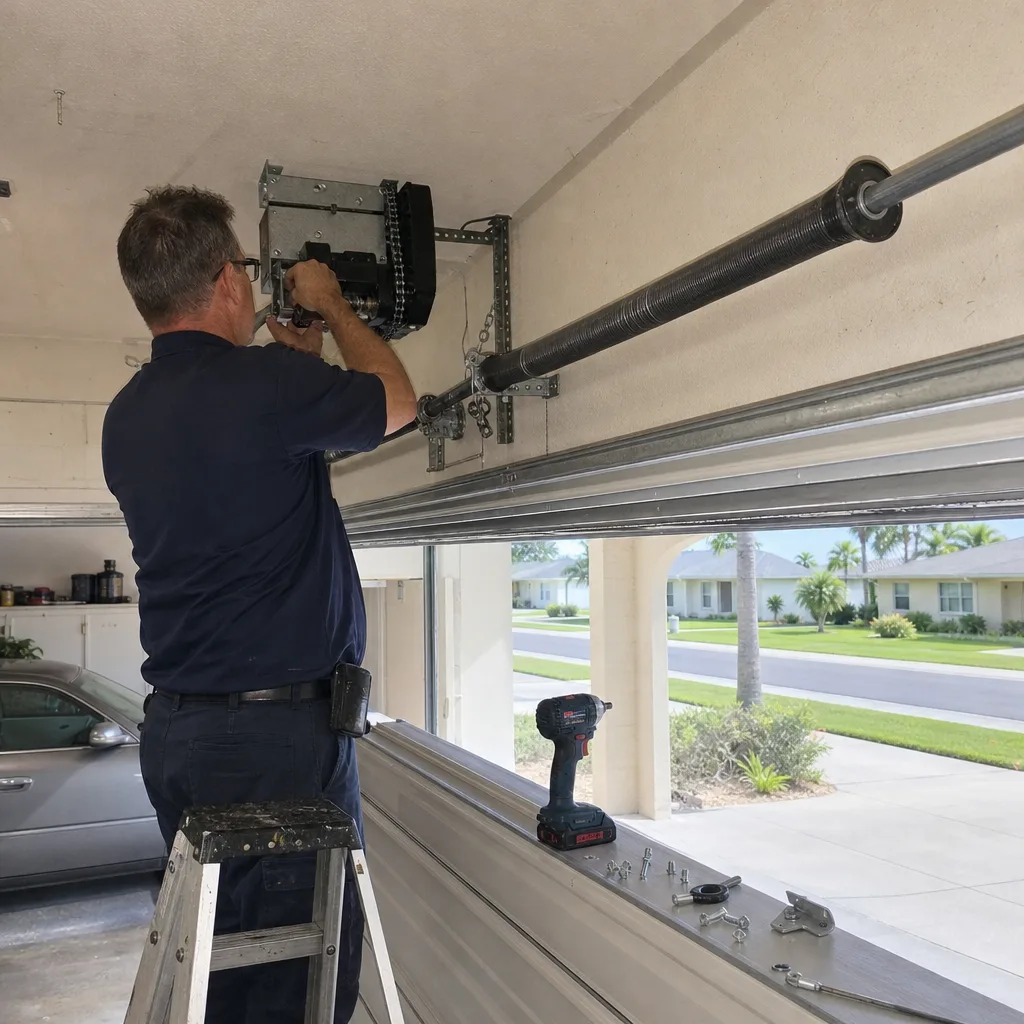
Last updated November 23, 2026
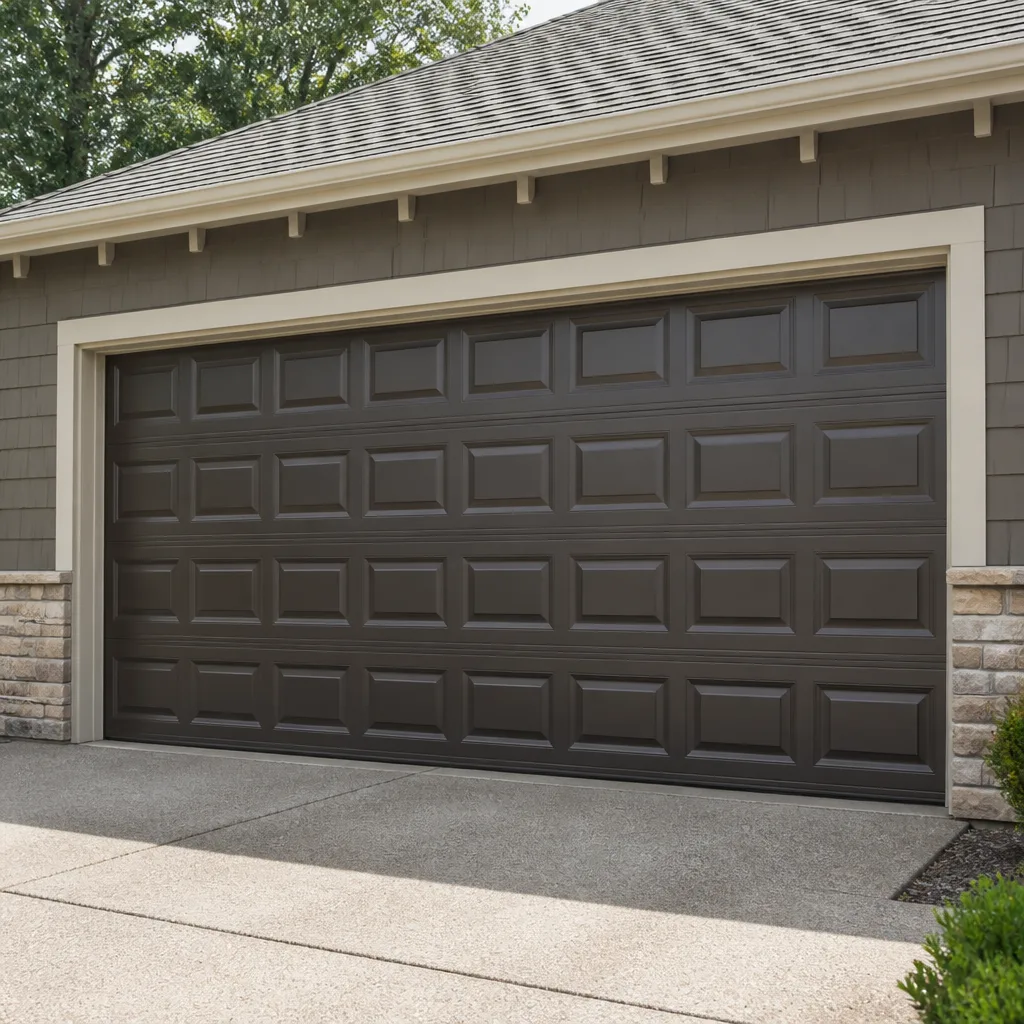 Raised-panel steel
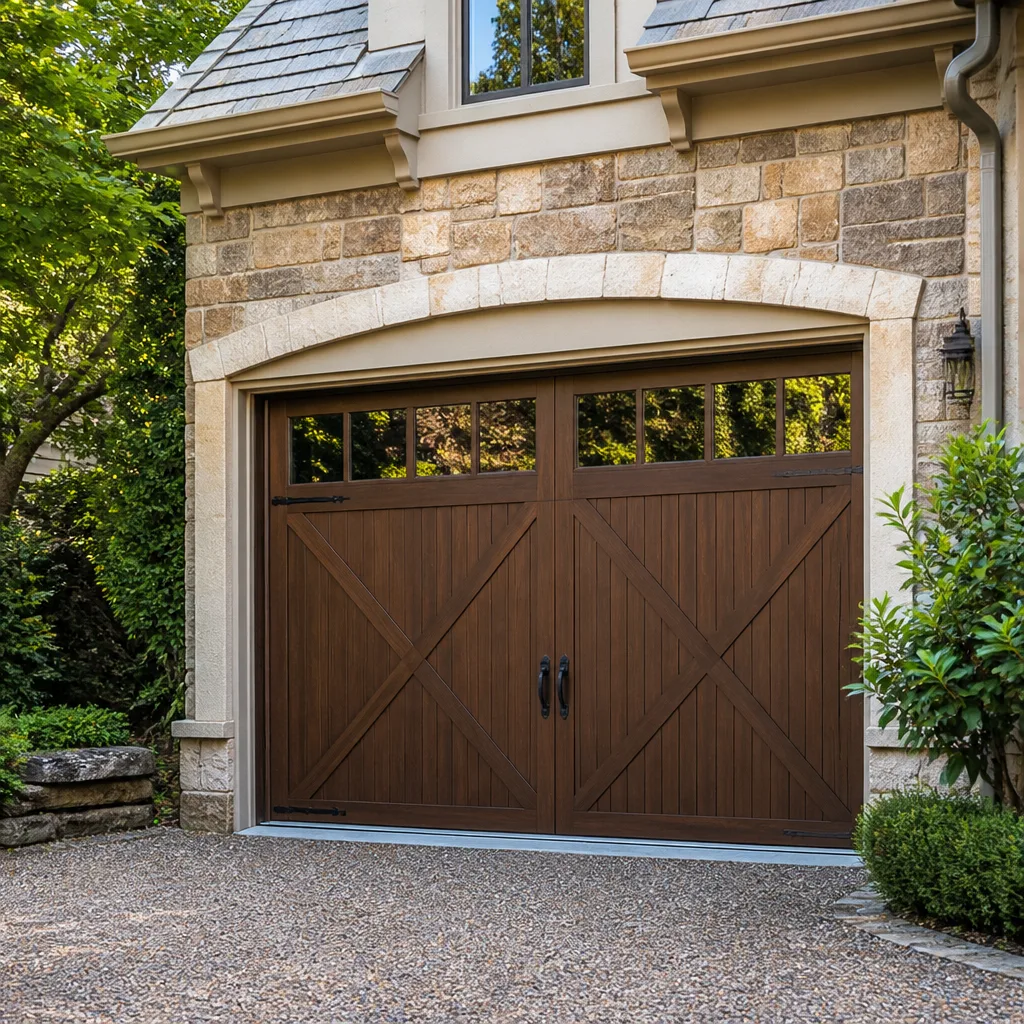 Carriage house
 Modern flush
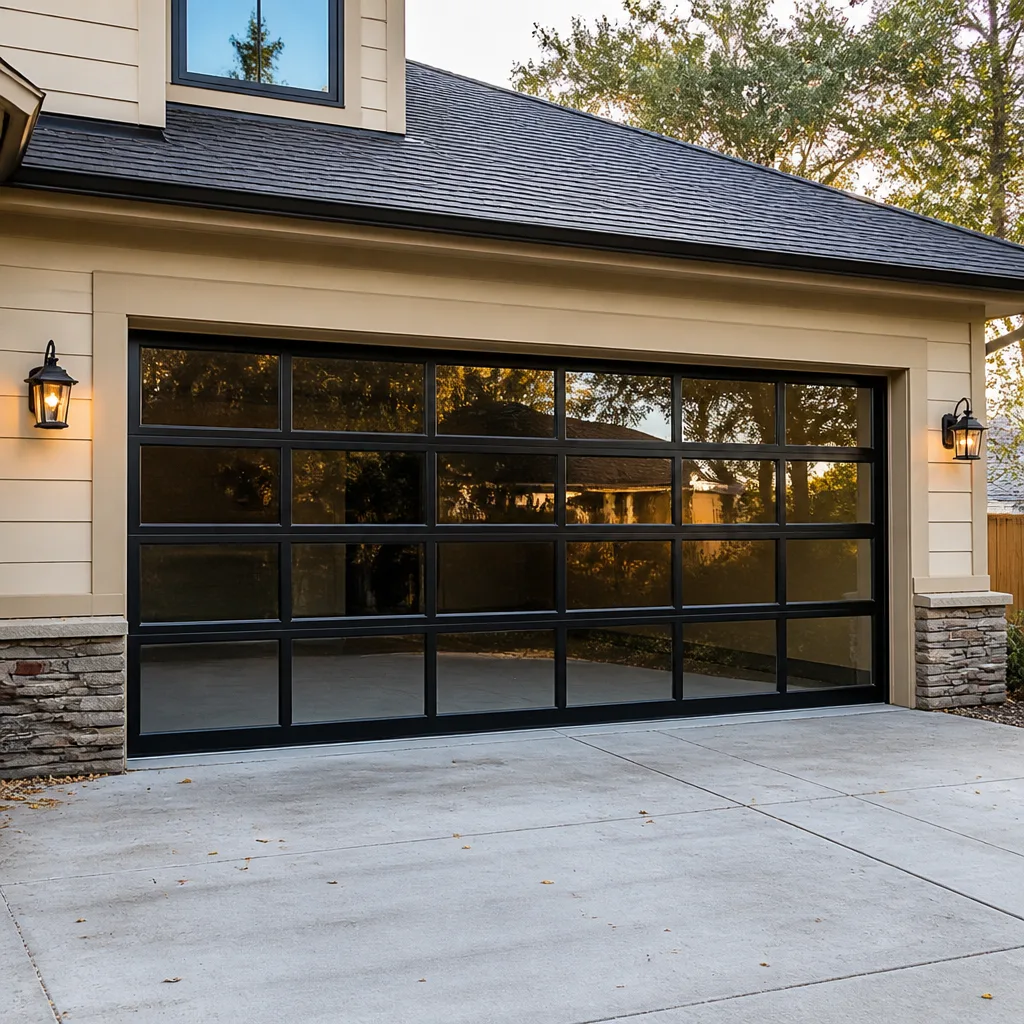 Full-view glass
 LiftMaster openers
 Chamberlain openers
Full 25-point door and opener safety check with every visit - springs, cables, rollers, tracks, and your LiftMaster or Chamberlain opener included
You get a price before we start. It does not change when the pro arrives.
Get your free estimateGarage Door Warning Signs: A Sun City Center Homeowner’s Reference Guide
A garage door that hesitates for half a second before it moves is not “getting old.” It’s telling you the spring tension is off, the opener is straining to compensate, and one of those two components is closer to failing than the other. The question worth answering is which one, and how much time you have before a repair turns into a stuck car in a closed garage. Most homeowners in Sun City Center wait until the door stops working entirely, which is the most expensive moment to deal with a garage door problem. This guide maps each warning sign to the failure it predicts, explains why Florida humidity compresses the timeline, and shows you what to check from the ground without ever touching the hardware.
Quick Answer
The most common garage door warning signs are a door that moves slower than usual, a grinding or popping sound during travel, visible gaps at the sides or bottom, a door that won’t close evenly, and a remote that only works up close. Each points to a different component: springs, rollers, tracks, or the opener itself. In Sun City Center’s humid climate, these symptoms tend to turn into full breakdowns faster than they do in drier parts of the country.
Styles & brands we work with
- Raised-panel steel
- Carriage house
- Modern flush
- Full-view glass
- LiftMaster openers
- Chamberlain openers
Table of Contents
- A Door That Moves Slower or Hesitates
- Reading the Sounds: Repair Soon vs. Stop Now
- Gaps, Wobble, and Asymmetry
- What You Can Check From the Ground
- Why Humidity Compresses the Timeline in Florida
- Signs the Problem Is the Opener, Not the Door
- How to Describe a Warning Sign to a Technician
- What to Expect When We Come Out
A Door That Moves Slower or Hesitates
A door that starts slow or pauses before moving is usually compensating for something else. The opener senses more resistance than it expects and adjusts its force output to push through. That resistance almost always traces back to a spring that’s lost tension, a track that’s out of alignment, or rollers that have stiffened. The door still opens, so most people ignore it, but the opener is working harder on every cycle and getting closer to its own failure point.
The important distinction is between a door that has always moved a little slower and one that recently changed speed. A change is the signal. If your door in Sun City Center used to open smoothly and now takes noticeably longer, that change is your warning.
- Slower opening only: often a spring losing tension on one side
- Slower closing only: frequently a roller or track issue on the closing path
- Hesitation at the start: opener capacitor or logic board strain
- Stutter mid-travel: a track obstruction or misaligned panel
Spring tension is the mechanical engine of a garage door. When it’s off, everything downstream suffers: the opener, the rollers, the cables, and eventually the door panels themselves. If you suspect spring trouble, our garage door spring repair service handles torsion and extension work as a core specialty, not as a side job. That matters, because spring work is the most mechanically dangerous repair in a home and deserves a technician who does it every week.
Reading the Sounds: Repair Soon vs. Stop Now
Sound is your most direct diagnostic tool because it changes the moment a component starts to fail. The trick is knowing which sounds give you time and which ones mean stop using the door. A few of these warnings show up in Sun City Center homes more often than others simply because of the local humidity and the age of the housing stock.
Sounds that mean “schedule a repair”
- Squeaking or squealing: dry rollers, dry hinges, or a worn bearing. The door still works, but the friction adds strain.
- Rattling: a loose bolt, a loose hinge, or a panel that’s vibrating. Tighten or service before it escalates.
- Light grinding: a roller that’s starting to fail or a track with minor debris. Schedule a service visit in the next week or two.
- Rhythmic clicking: a worn opener gear or a chain-driven opener that needs adjustment.
Sounds that mean “stop using the door now”
- A loud snap or bang from above the door: a torsion spring has broken. Stop immediately and call for emergency service.
- Metal scraping against metal: a cable may have jumped its drum or a track may have come loose. The door could drop.
- A door that slams closed: the spring has lost its counterbalance and only the opener is holding the door up. That’s a collapse risk.
If you hear a snap, see a gap in the spring coil, or notice the door suddenly feels heavy when you test it by hand (gently, with the opener disengaged), stop using the door and call a trained professional. A spring under tension can cause serious injury, and it is not a repair to attempt on your own. Emergency service exists for exactly these moments, and we take those calls.
Gaps, Wobble, and Asymmetry
A gap of even a quarter inch at the bottom or side of the door is more consequential than it looks. In Sun City Center, a gap lets in the heat, the humidity, and every small creature that finds its way into a garage. It also stresses the weather seal, which is the part designed to keep the weather out. A seal that’s failing gets replaced, but the gap itself usually means the door is sitting off its intended position, which points to a track or hinge problem.
Wobble and asymmetry are easier to spot than they sound. Stand back and watch the door travel the full distance up and down. A door that sways slightly from side to side, or one side that lags the other, is sending a clear signal.
- One side rises before the other: uneven spring tension or a binding track
- Panels that flex or bow visibly: a weakened panel that can crack
- Door that moves in a crooked line: a bent vertical track
- Visible horizontal crack in a panel: the panel’s structural integrity is compromised, and replacement is likely
A bent track is more common after a door has been hit or after the opener has forced a misaligned door for weeks. The door may still open and close, but the bent section is grinding against the rollers on every cycle. Left alone, a bent track eventually stops the door entirely. That’s when the car is trapped inside and the visit becomes an emergency instead of a scheduled repair.
What You Can Check From the Ground
You don’t need to touch any hardware to spot most of the warning signs on a garage door. A five-minute visual check from the driveway catches the majority of problems before they turn into emergencies. We walk Sun City Center homeowners through these checks on nearly every first visit because they’re the same ones our technicians run when they arrive. The key discipline is to look, not touch. Springs and cables under tension can cause serious injury, so leave the hardware to a trained professional.
- Watch the door’s full travel. Stand about ten feet back and watch it go up and down. Note any hesitation, sway, or uneven movement.
- Check the bottom seal. Look for gaps, tears, or a seal that’s pulled loose from the door bottom.
- Look at the spring above the door. If you can see the coil, check for a visible gap or a stretched section. Do not touch it.
- Check the cables on both sides. Look for slack, fraying, or cables that have come off the drum.
- Inspect the rollers at the sides. Nylon rollers should be smooth and round; steel rollers should turn freely. Don’t remove them.
- Look at the tracks. With the door down, look for bends, dings, or debris in the channel.
- Check the safety sensors near the floor. Both should have a steady light; a blinking light means misalignment or obstruction.
These seven checks take about five minutes and give you an honest picture of your door’s condition. If any of them turn up something concerning, that’s your cue to call. Our garage door repair team can come out, confirm what’s happening, and give you a written estimate before any work starts.
Why Humidity Compresses the Timeline in Florida
In a dry climate, a squeaky roller or a slightly stiff hinge might give you six months before it fails. In Sun City Center, the timeline is tighter. Florida humidity gets into the moving parts of a garage door in ways homeowners don’t always connect: wooden panels absorb moisture, steel hardware begins to corrode, and the lubrication on rollers and hinges degrades faster. That means symptoms that look harmless can reach the failure point in weeks rather than months.
The compression shows up in a few specific places:
- Rollers: nylon rollers are more forgiving, but steel rollers can start to seize from surface corrosion. A seized roller grinds the track and pulls the door off alignment.
- Hinges and bolts: corrosion at hinges and fasteners turns a simple tightening into a snapped bolt. That’s a repair escalation, not a repair.
- Weather seals: in high humidity, rubber seals stiffen, shrink, and pull away from the frame faster than they do in dry climates.
- Wooden door panels: moisture absorption causes swelling and warping, which then stresses the frame and hinges.
- Opener electronics: humid air in garages that aren’t climate-controlled can affect circuit boards over time, making openers age faster than they would elsewhere.
What this means for your decision-making is simple: if a sign shows up in Sun City Center, treat the timeline as weeks, not months. A squeak that would be a note-for-the-future in a dry climate is a schedule-a-visit-this-month in Florida. Waiting doesn’t save money; it usually shifts the cost from a repair to a replacement.
Signs the Problem Is the Opener, Not the Door
Not every garage door problem is a door problem. Some of the most frustrating symptoms trace back to the opener itself: a remote that only works when you’re right in front of the door, a wall switch that works but the remote doesn’t, or a door that reverses for no reason partway down. Catching these early saves you from paying for door parts you didn’t need. Our technicians are certified familiar with LiftMaster and Chamberlain systems, along with Genie, Craftsman, Clopay, Amarr, Wayne Dalton, and Raynor, which means we diagnose by system knowledge instead of guesswork. That’s a real difference when the problem is electronic rather than mechanical.
Opener-related warning signs
- Remote range shrinking: usually a battery, a worn logic board, or antenna interference
- Door reverses before closing: safety sensor or logic board issue, not a door problem
- Wall switch works but remote doesn’t: usually the receiver or remote pairing, not the door
- Opener runs but the door doesn’t move: a stripped gear or a broken chain/belt
- Opener beeps or flashes a fault code: the system is telling you exactly what’s wrong
Modern openers store fault information, and older ones reveal a lot through their behavior. Our garage door opener repair work covers both smart-home-integrated systems and legacy platforms, so whether your door runs on a LiftMaster with Wi-Fi or a Craftsman unit installed years ago, we know the model’s quirks and failure patterns. Getting the diagnosis right the first time is the difference between a repair and a part-swap guess.
How to Describe a Warning Sign to a Technician
The most useful thing you can do before you call is describe the problem precisely. “The door is acting weird” gives a technician nothing. “The door hesitates for half a second at the top of its travel and makes a clicking sound on the way down” tells us the problem is likely in the opener gear or a worn roller on the closing path, and we can have the right parts ready before we arrive. Accurate description shortens the visit and gets you back to a working door faster. We work on garage doors only, which means we’ve heard almost every description there is and can usually narrow the diagnosis down to two or three likely causes before we get to your driveway.
Here’s how to give a technician a clear picture:
- When does it happen? Opening, closing, the start of travel, or the end?
- What does it sound like? Squeak, rattle, grind, snap, or click? Is the sound getting louder?
- How does the door move? Slower than usual, uneven side to side, or stopping partway?
- Does the opener respond to everything? Remote, wall switch, and safety sensors all working?
- Did anything change recently? New opener, new remote, unusually wet weather, or a door that got bumped?
- Can you see any gaps or damage? Panels, tracks, seals, springs, or cables?
Include the brand if you know it. A homeowner who says “my Chamberlain door is clicking on the way down” is giving us far more than one who says “my garage door is broken,” and that translates directly into a quicker repair. Our Sun City Center Garage Door Repair line is staffed for exactly this first conversation, and the more detail you bring, the better the visit goes.
What to Expect When We Come Out
A garage door visit with us starts with a diagnostic pass, not a sales pitch. We check the mechanical components first, because that’s where most failures originate: springs, cables, rollers, hinges, tracks, and seals. Then we check the opener and its sensors. When we’re done, you get a written estimate that explains what we found and what the repair involves, with the price quoted and agreed before any work starts. If the door is in good enough shape that a fix isn’t needed yet, we’ll tell you that too.
Warning signs often get dismissed because homeowners in Sun City Center worry that a small symptom will become a big invoice the moment a technician sees it. That’s the wrong way to think about it. A grinding roller replaced now is a small repair; a grinding roller run for three more months can damage the track, pull the door out of alignment, and turn into a spring or opener replacement. The earlier the visit, the smaller the repair usually is. And if the door has reached the end of its life, we handle the full installation side too, so you’re never handed off to a third party in the middle of a conversation. That single-trade focus shows up in our diagnosis, because a garage door specialist sees the same failure modes every day.
Common Mistakes to Avoid
Homeowners in Sun City Center make a handful of avoidable mistakes when a warning sign appears. Each one usually costs more than the repair would have, so it’s worth understanding them before you reach for the phone or, worse, the toolbox.
- Trying to lubricate or adjust a spring yourself. Springs hold the full weight of the door under high tension. Touching one without the right tools and training is the leading cause of serious injury in this trade, and it’s not worth the risk.
- Ignoring a new sound because the door still opens. In Florida humidity, a noise that would give you six months elsewhere gives you six weeks here. Waiting for it to “get worse” usually means it gets worse fast.
- Calling a general handyman instead of a garage door specialist. Garage doors have specific failure patterns tied to springs, torsion systems, and opener brands. A handyman who works on everything is guessing on a repair a specialist does every day.
- Assuming every symptom means a new door. A slow or noisy door is often a repair, not a replacement. Getting the diagnosis first prevents a bigger spend than the problem requires.
- Describing the symptom vaguely. “It’s acting up” makes it impossible to have the right parts ready. A precise description saves a return visit.
- Replacing the opener when the door is the problem. A heavy door or a misaligned track can mimic an opener failure. Diagnosing the door first keeps you from replacing a piece that’s working fine.
- Waiting until the car is trapped. An emergency visit is always a longer visit than a scheduled one. Acting on the first warning sign keeps the job small and the schedule calm.
See the difference
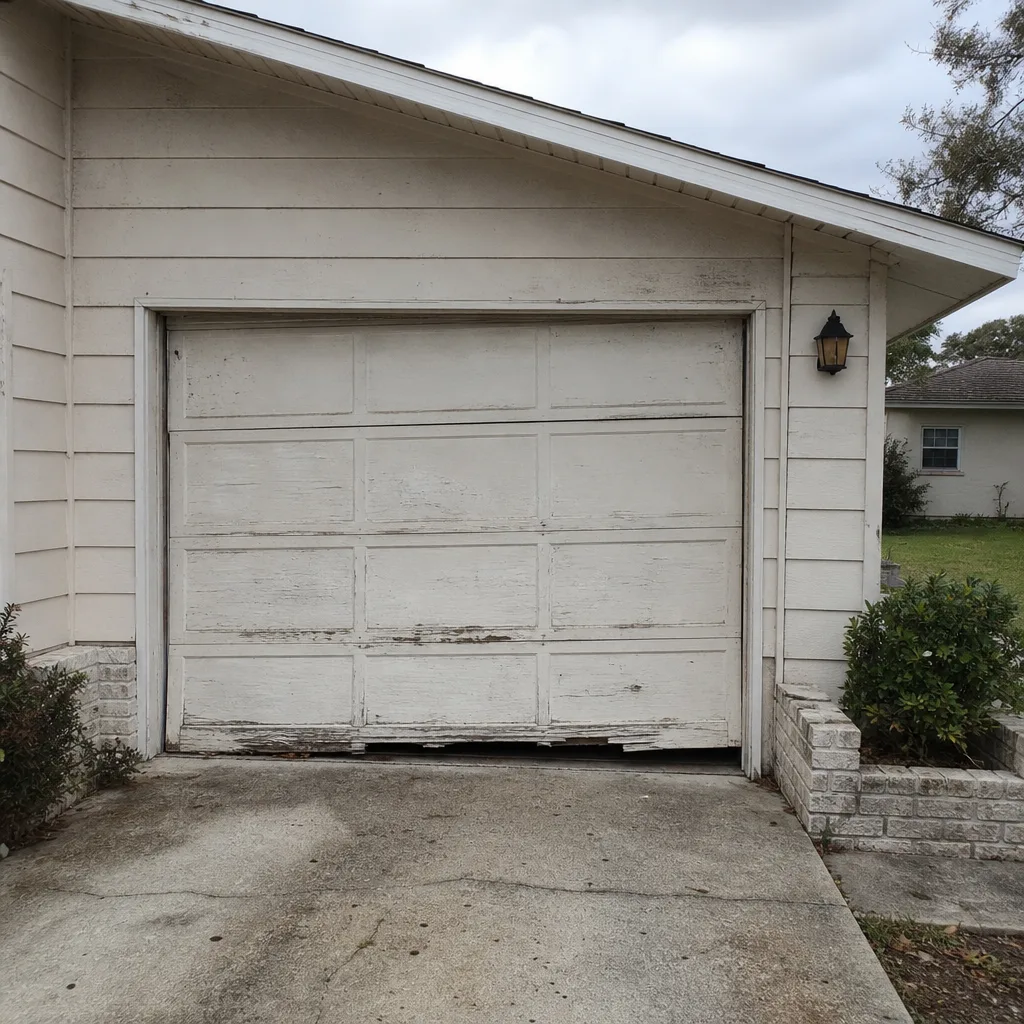 Before
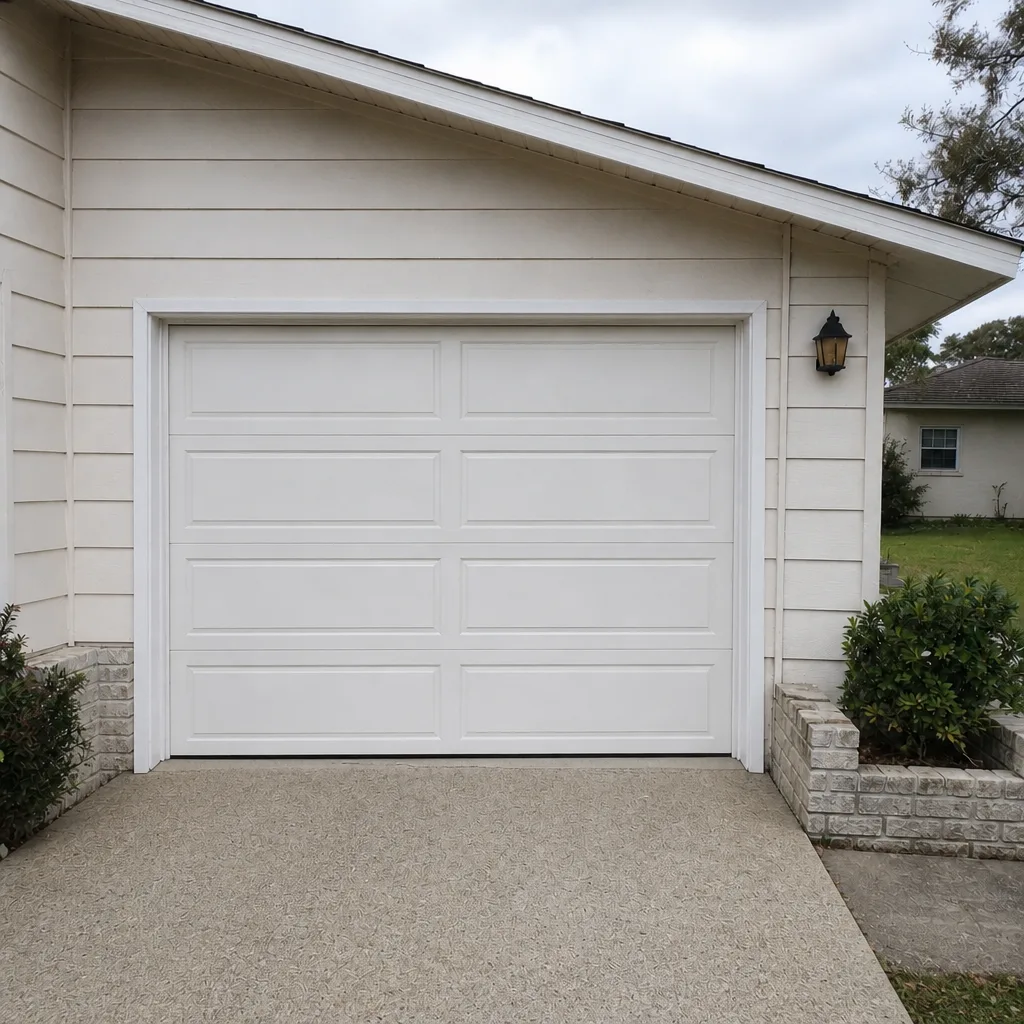 After
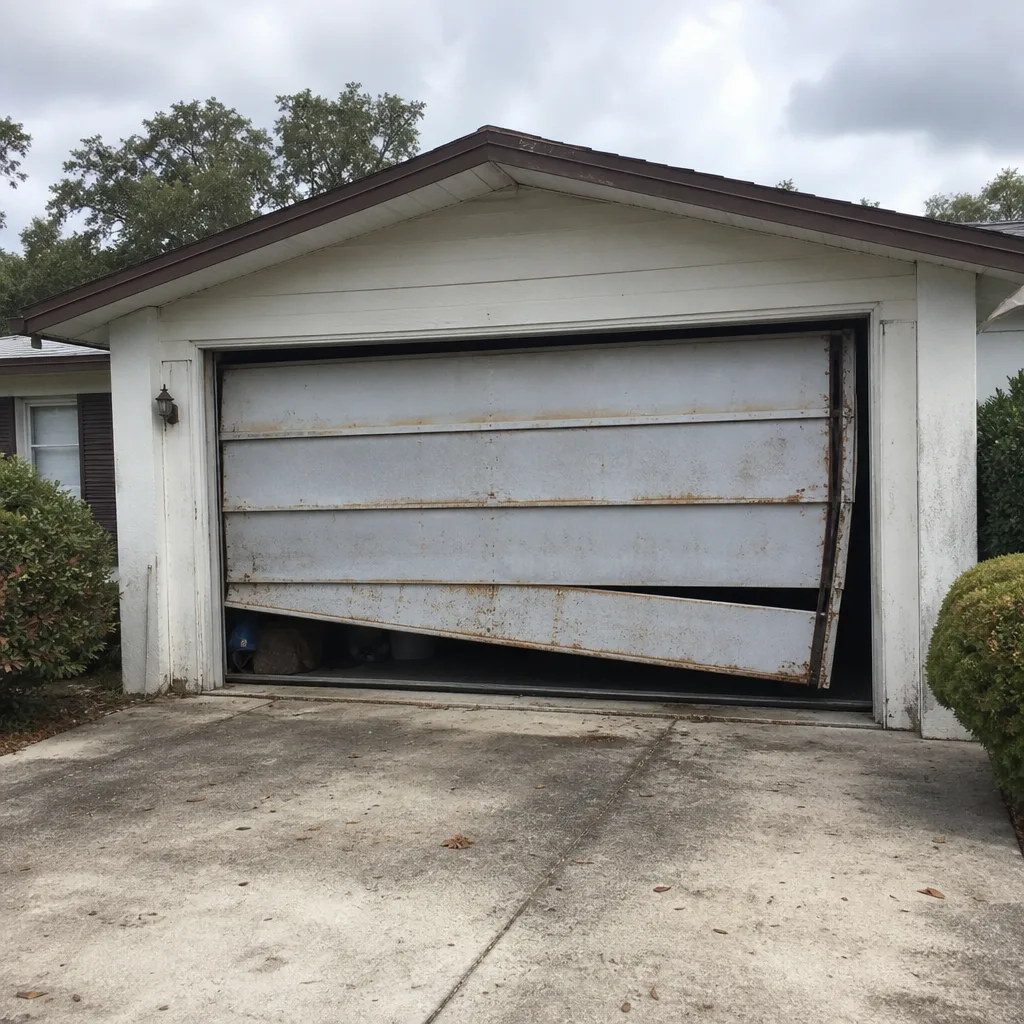 Before
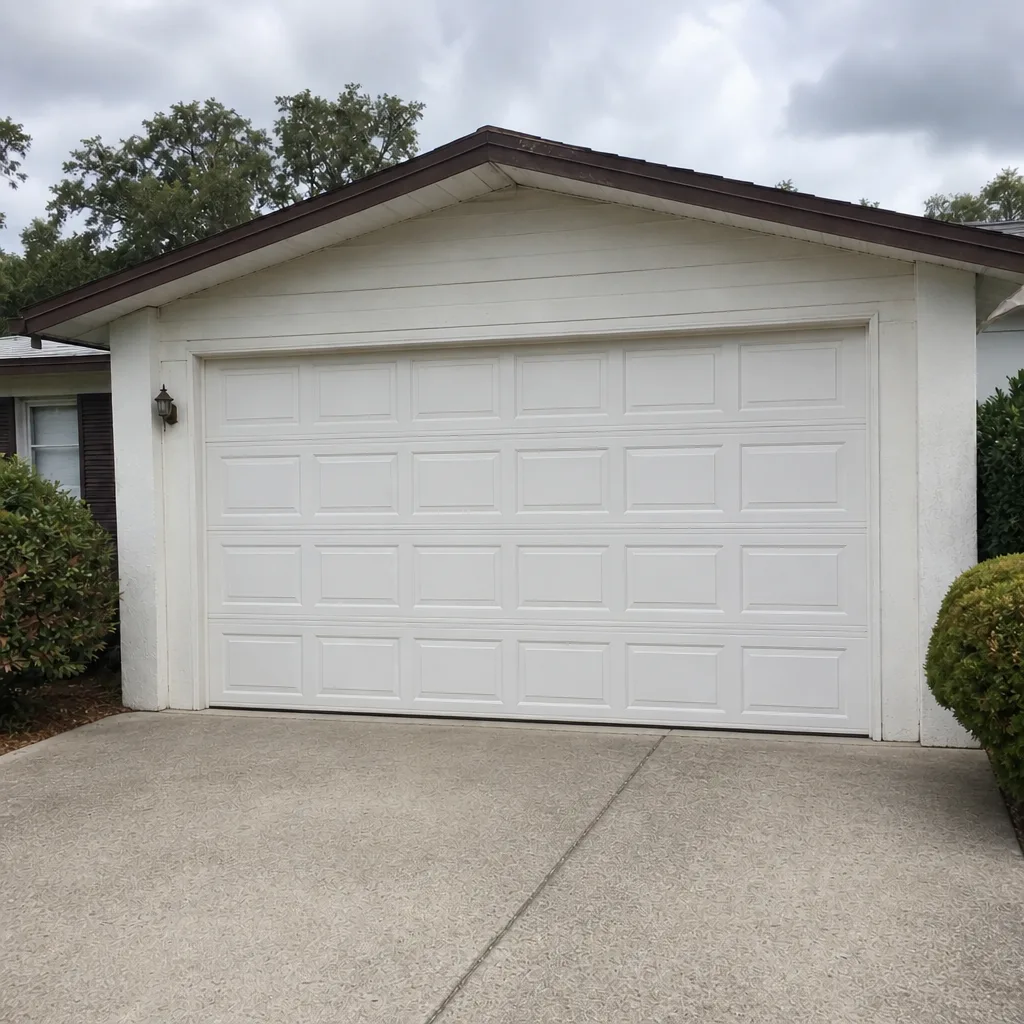 After
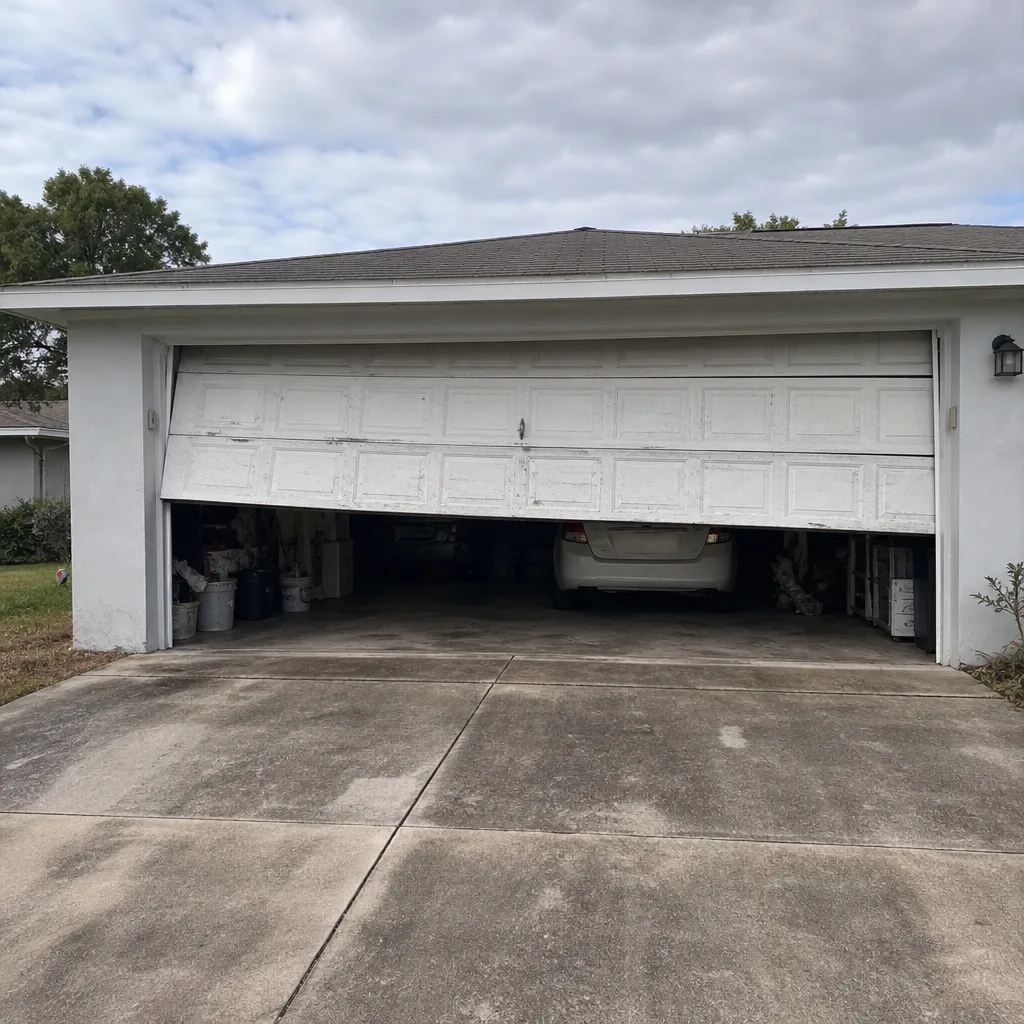 Before
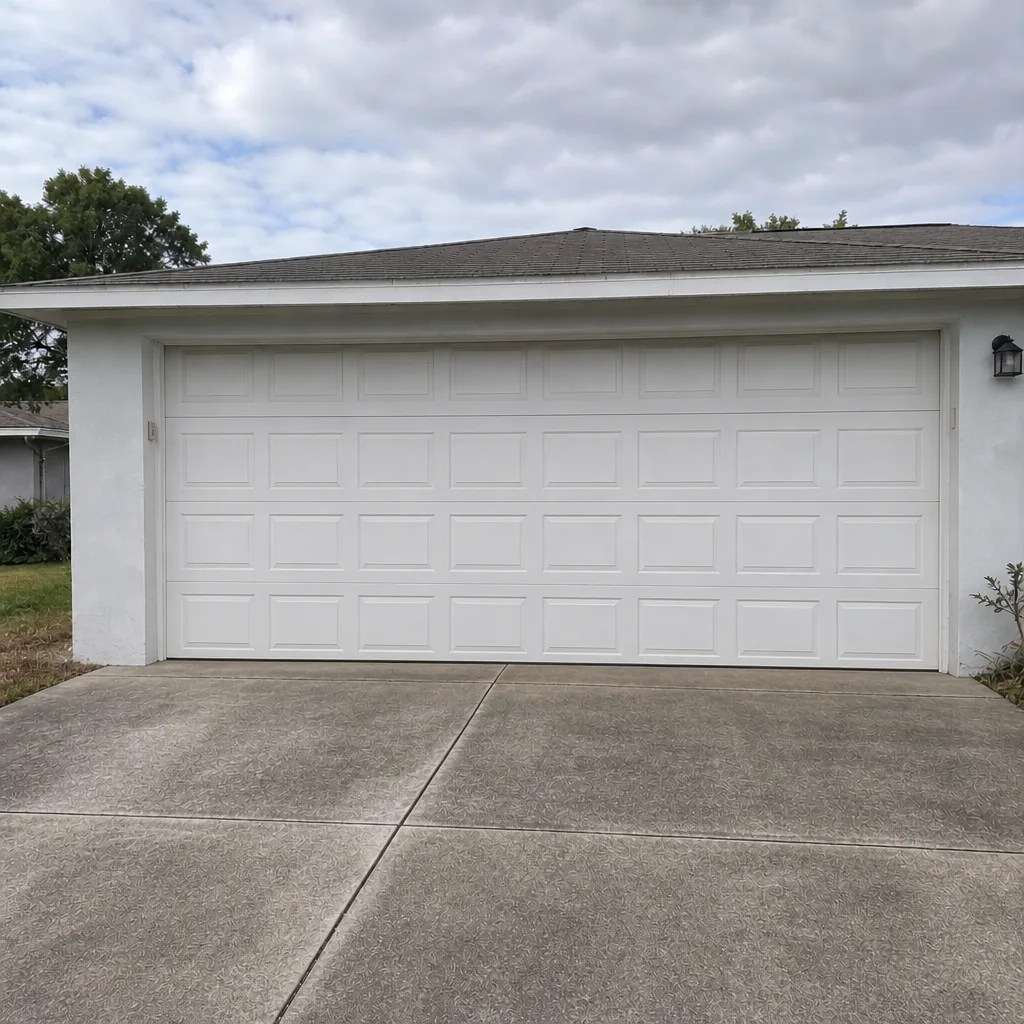 After
When to Call a Professional
Call a professional when the door moves unevenly, when you hear a snap or a bang from above the door, when the door won’t stay up when you test it by hand, when the door reverses for no reason, or when any warning sign is new and getting worse. Skip the call only if the issue is a dead remote battery or a safety sensor with an obvious obstruction. Everything else belongs with a garage door specialist, especially spring work, cable work, and anything that involves the opener’s logic board. Sun City Center Garage Door Repair offers free estimates in Sun City Center – call (855) 658-4128. Our technicians have up to 9 years of experience, and the visit starts with a diagnostic pass, not a sales pitch.
Frequently Asked Questions
The most common warning signs are a door that moves slower than usual, grinding or popping during travel, visible gaps at the bottom or sides, uneven movement side to side, and a remote that only works up close. Each points to a different system, which is why describing the symptom precisely matters. Call (855) 658-4128 for a free estimate if any of these show up.
In Sun City Center’s humidity, a minor symptom can escalate within weeks rather than months. Moisture accelerates corrosion on rollers and hinges, degrades lubrication, and stiffens weather seals, so the timeline that would be forgiving in a dry climate is compressed here. If the door is making a new sound or moving unevenly, treat it as a this-month repair rather than a when-I-get-to-it item.
No. A loud snap from above the door almost always means a torsion spring has broken, and the opener is no longer supported by the counterbalance. The door can drop unexpectedly, so stop using it and call for emergency service. Do not attempt to open the door by hand or inspect the spring up close; a broken spring under tension can cause serious injury. Call (855) 658-4128 and we’ll walk you through the next step.
Cost depends on what’s causing the noise. A roller or hinge replacement is usually a smaller repair, while a worn spring or a failing opener is a larger one. We quote the price and agree it with you before any work starts, so the written estimate sets the final number. Call (855) 658-4128 for an exact quote – estimates are free.
Emergency service is available because a stuck door is an access and security problem, not just a hassle. We don’t publish a specific response-time guarantee, so the best way to know what’s available is to call. Call (855) 658-4128 and we’ll tell you what we can do and when we can be there.
The local professionals we connect you with are licensed and insured as their state requires. Our technicians have up to 9 years of experience, and the work is confined to garage doors only, not general home services. If you have a specific concern about credentials for your job, ask when you call – we’re happy to walk through it. Call (855) 658-4128 to get started.
The Bottom Line
Every garage door failure starts with a warning sign. A slow start, a new sound, a gap at the seal, or a door that moves unevenly is the door telling you which component is under strain. In Sun City Center, the humid climate compresses the timeline, so a symptom that would give you months elsewhere gives you weeks here. The checklist from the ground takes five minutes and catches most problems before they become emergencies. Describe what you see and hear precisely, and you’ll get a faster diagnosis and a smaller repair. When in doubt, call a specialist, and get the estimate in writing before the work starts. Call (855) 658-4128 for a free estimate.
Written by the team at Sun City Center Garage Door Repair.